Sunday, December 15, 2019

Arcadia completes 310 million pound refinancing of Topshop flagship

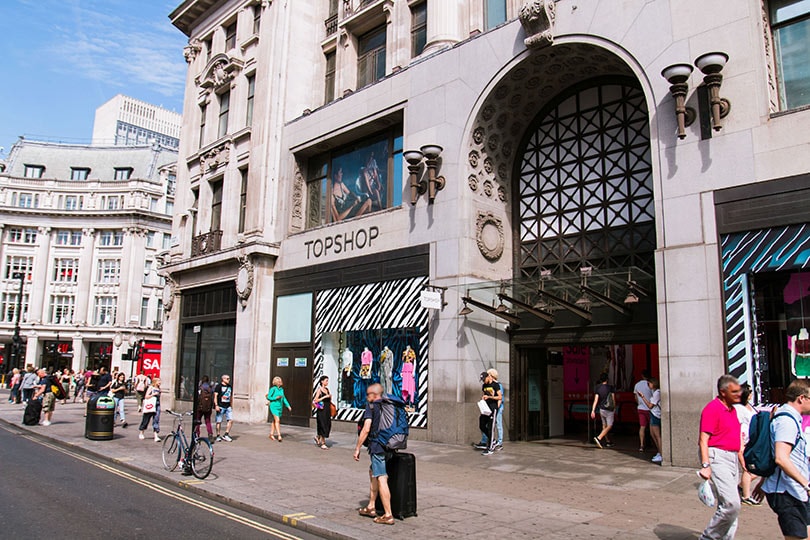
Philip Green’s Arcadia has announced it has completed the refinancing of its 310 million pound loan on its flagship Topshop store on London's Oxford Street.

In a short statement released on Friday, the company said: “The Arcadia Group Ltd is pleased to confirm it has completed the refinancing of its 310 million pound loan on 214 Oxford Street for four years term with Apollo Management International LLP.”

Photo credit: FashionUnited


* This article was originally published here

Saturday, December 14, 2019

Tom Ford to host next show in Los Angeles two days before Oscars

Tom Ford is heading back to Los Angeles once again for his Fall/Winter 2020 show. The designer announced that he will present his latest presentation on Feb. 7 of the New Year, just two days before celebrities and Hollywood’s elite member gather for the 2020 Oscars.

New York Fashion Week is scheduled from Feb. 6 to Feb. 13, while the Oscars will take place on Feb. 9, and a large number of celebrities and stylists will be in the City of Angels for the awards show. By moving his show to Los Angeles, Ford—who has deep roots in the west coast city and has dabbled in Hollywood’s film industry with his own projects, A Single Man and Nocturnal Animals—is expecting a star-studded turnout for his Fall 2020 collection.

Ford shared with WWD that this strategic decision feels natural to him, with it being his home and having a large impact on his work. “In my role as chairman of the Council of Fashion Designers of America, my main intent and priority is to globalize and bring attention to American fashion. There is truly no bigger or more prominent stage in the world at any given time than Los Angeles during the Academy Awards,” the designer told the publication.

If his next presentation is successful—particularly with the celebrity and stylist turnout—the American designer may lead others to shift their February presentations to the West Coast in the future when New York Fashion Week overlaps with the awards show. The trend of designers showing in Los Angeles—such as Rodarte, who presented their Fall/Winter 2019 show in the California city earlier this year—may continue as a way to gain more and more attention from those in the entertainment industry.


* This article was originally published here

Friday, December 13, 2019

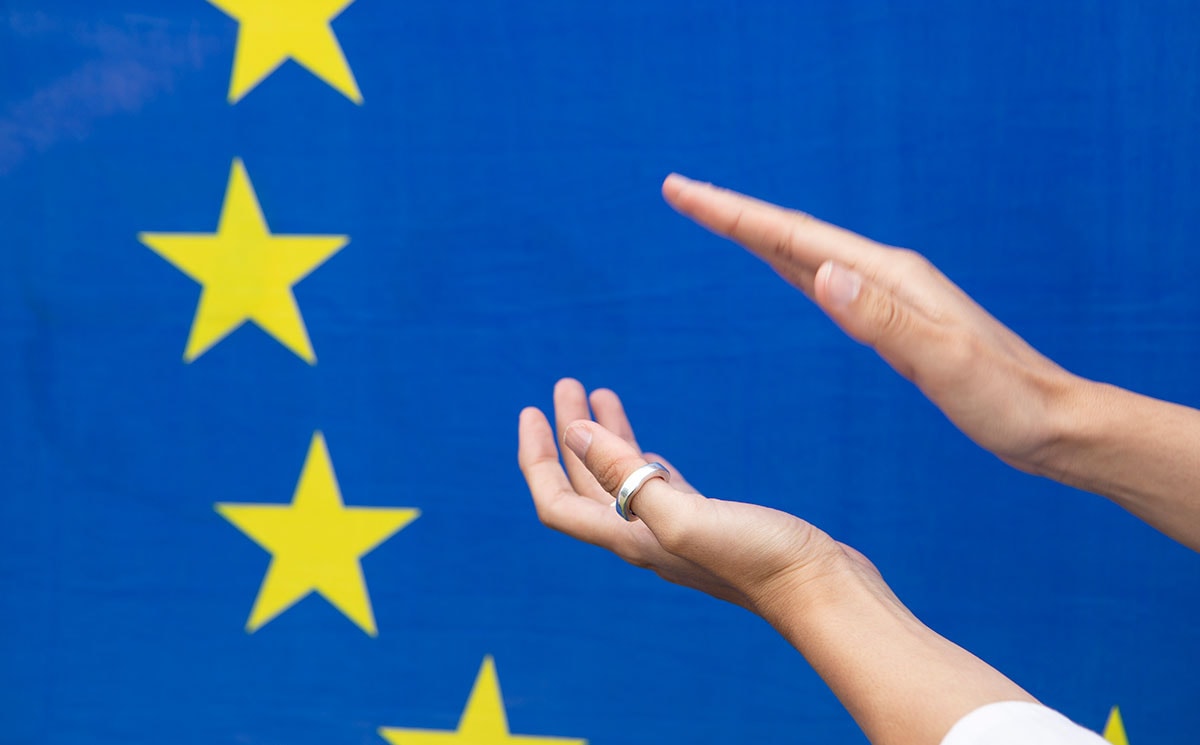
What does the EU's Green Deal mean for the textile industry?

The European textile industry has to waste less and recycle more after being highlighted as a key sector by the European Commission in its industrial strategy for a transition to a circular economy. With the commission's new plan, voluntary green initiatives by the textile industry could become legally binding in the future.

In its plan for a European Green Deal, the Commission outlined a varied set of green measures for resource-intensive sectors varying from construction to textiles. They all aim to align the industries with the EU’s goal to become the first climate-neutral bloc by 2050.

The Commission wants to extend the responsibility of textile companies and push them to offer reusable, durable and repairable products, according to the Green Deal plan published on Wednesday. Waste needs to be reduced and, where it cannot be avoided, recycled. The EU also aims to empower informed consumer choices while tackling ‘green washing’.

First climate-neutral bloc

“Our goal is to reconcile the economy with our planet, to reconcile the way we produce, the way we consume with our planet,” Ursula von der Leyen, the European Commission President, said on Wednesday. “I believe that the old growth model that is based on fossil fuels and pollution is out of date.“

The European Union strives to become a world leader in the circular economy as part of the Green Deal set out by the new Commission. Under the plan, the EU aims to be climate-neutral by 2050 by making its industries greener with the help of digitalisation.

While the plan of the EU is ambitious, “the real question is how it is going to be put in place,” Mauro Scalia, director sustainable business at Brussels-based textile association Euratex, said by phone. “One thing is discussing ambitions for zero-pollution, the other thing is to see how this will be addressed in the real legislative process – whether there will be soft policy or hard regulation.”

Circular products and business models

The sustainable products policy will support circular design based on a common set of methods and principles, said the EU. Waste will be prevented by reducing and reusing materials with companies being encouraged to offer reusable, durable and repairable products. New business models based on renting and sharing goods and services may also help to reduce waste “as long they’re truly sustainable and affordable”.

The EU has tapped into an area that textile companies have been increasingly exploring in recent years. Fashion retail giant C&A has sold more than four million pieces of circular Cradle to Cradle garments , while competitor H&M started testing a renting service last month at its Stockholm flagship store. These pioneering efforts, however, are still in their early stages and are still relatively niche in the 1,9-trillion-dollar clothing market. Less than one percent of material used to produce clothing is currently recycled, according to a report by the Ellen MacArthur Foundation. Typically, clothing design doesn’t take recycling into consideration.

Informed consumer choices

The EU hopes to boost demand for circular products by encouraging public institutions to lead by example with their purchases. By fitting police or hospital staff with greener uniforms, for example, European countries could help textile companies to make the investments that wouldn’t be made when demand was uncertain, said Scalia.

Comparable and verifiable information could also help consumers to make more sustainable decisions, according to the EU. An electronic passport, for example, would provide information on a product’s origin, composition, as well as its repair and dismantling possibilities, and end of life handling, said the EU roadmap.

While various fashion companies such as Zalando and PVH Corp have tested the use of blockchain amongst other technologies in the supply chain to offer trustworthy information, projects have remained in their pilot stages so far and haven’t been widely implemented.

The EU also hopes to reduce “green washing” as companies begin to use a standard to assess green claims. While the Commission said it will step up efforts to tackle false green claims, it’s still unclear which standards might be used for textiles.

Apparel associations now hope that the Higgs Index could be recognised as standard measurement for sustainability, according to a paper published by the Policy Hub, which is backed by lobbies such as the Sustainable Apparel Coalition, the Federation of the European Sporting Goods Industry and the Global Fashion Agenda.

More (and better) recycling

The EU Commission considers new legislation to reduce overpackaging and waste. Packaging in the EU has to be reusable or recyclable by 2030 and measures against single-use plastics will be implemented. The circular economy action plan also seeks to increase recycling of used materials and by-products by considering legal requirements to boost the market and looking into waste collection.

One factor limiting the widespread use of recycled materials remains its higher price compared to virgin materials. With the circular economy plan, the textile industry is now hoping for additional public funding for technology research and tax-reductions for circular goods and materials, as papers published by lobby groups Euratex and the Policy Hub show.

While the plan for the Green Deal published on Wednesday laid out circular measures for a wide range of industries, it remains to be seen when any specific regulation for the textile industry will be announced. More information on the Circular Economy Action Plan will be provided in March 2020, said the EU Commission.

“The Green Deal is very ambitious but also very careful in assessing the impact and every single step we’re taking,” said von der Leyen on Wednesday. “This is Europe’s man on the moon moment.”

Picture: Quelle: EC - Audiovisual Service Lukasz Kobus / Jennifer Jacquemart | European Union, 2019


* This article was originally published here
Thursday, December 12, 2019

H&M to deliver orders by bike in the Netherlands

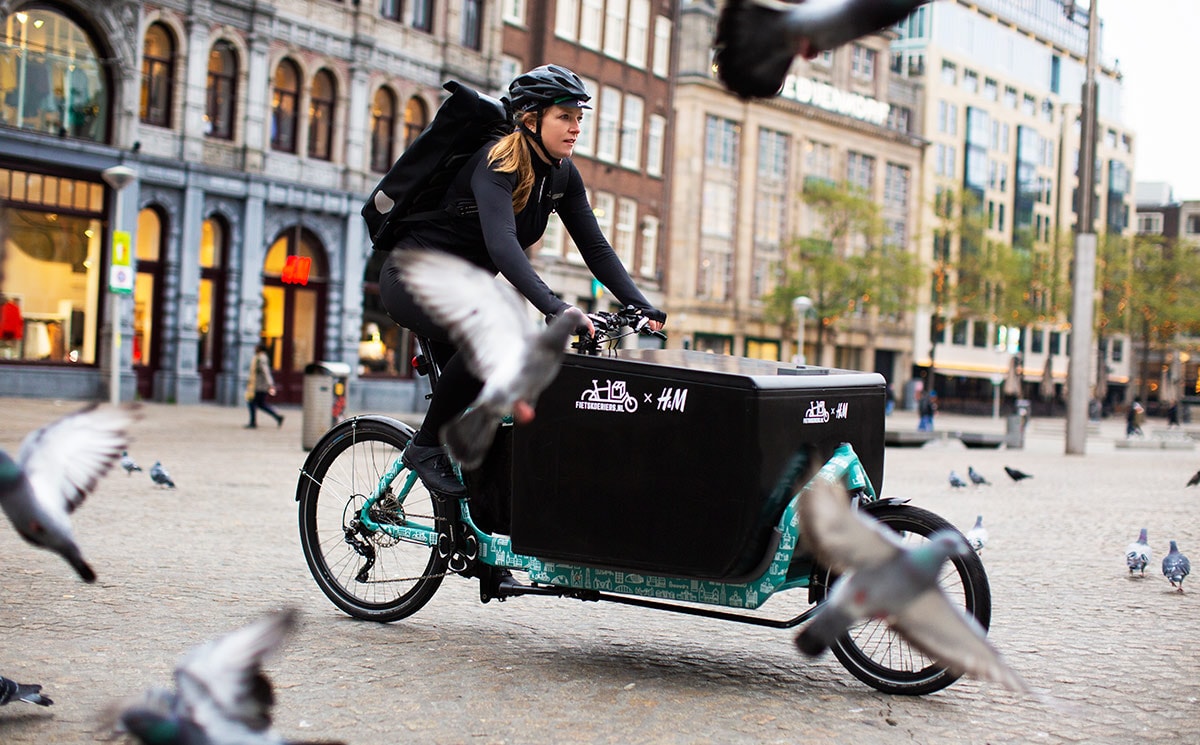
H&M has started delivering orders to its customers in the Netherlands by bike in a bid to cut down on carbon emissions.

The Swedish retail giant has teamed up with Dutch bicycle courier company Fietskoeriers.nl for the initiative which offers next-day delivery and is priced like H&M’s regular next-day delivery service.

Couriers from Fietskoeriers - which covers 30 cities across the Netherlands - pick up the parcels at H&M’s warehouse using biogas vehicles before delivering them by bike from local hubs.

Commenting on the news in a statement, Pascal Brun, head of sustainability at H&M, said: “We are happy to see an increasing interest for sustainability among our customers and hope they will love this new climate-smart way of getting their fashion finds delivered to their homes. We look forward to evaluating this pilot project and to reveal new exciting projects when it comes to climate-smart transports.”

H&M said it aims to become climate positive by 2040, meaning it wants to reduce more greenhouse gas emissions than its value chain emits. The retailer said that transport is becoming an increasingly important focus area.

Photo courtesy of H&M


* This article was originally published here

Wednesday, December 11, 2019

Inditex boosts its profit by 12 percent, credits omnicanality

Madrid - The Spanish company Inditex, considered one of the world's leading fashion group, has just announced its results for the third quarter of its current fiscal year. This is the period during which the company has continued to increase its sales, accumulating to date a growth of 7.5 percent during the first nine months of its 2019 fiscal year. A considerable increase that places the volume of its sales at 19,820 million euros, compared to 18,437 million obtained during the same period in 2018.

Among the keys that the company points out as being responsible for the positive results are the good positive reaction that its collections are receiving, the strong management of its inventory, the coordination of all its business units and the good results of its strategies in omnicanality. The latter measure has become one of the group's main commitments to strengthen the growth of its brands, thanks to measures such as the implementation of unique shopping experiences aimed at the customer, through technological tools that allow full commercial integration. Or the commitment to optimise its commercial surface, opting for spaces located in the main commercial arteries, "of the highest quality, larger and more integrated".

In the words of Pablo Isla, president of Inditex in a statement, the success of the company lies in "the solidity of the growth of the integrated model of stores and online". A system that has been "sustained over time thanks to a constant selection of the best quality in locations, spaces, products and services, through the necessary investments in technology and sustainability".

A whole series of strategies that have allowed the group to increase its gross margin by 8 percent and its Ebitda by 45 percent, to 5,702 million euros. With all this, its net profit increased by 12 percent to 2,720 million euros. These values lead management to estimate that the group's comparable sales for the whole year will end with a growth of between 4 and 6 percent.

Continuous commitment to omnicanality

Throughout these last 9 months of the year, the Spanish company has continued to focus all its efforts on the key pillars that are driving its growth.

Thus, among the most outstanding aspects that have occurred during this period, the continuous rate of expansion of its platform for the integration of stores and online, a channel in which all the chains of the group now have their global store with which they serve more than 200 markets, is pointed out by the group. At the same time, the spaces that make up the network of stores of all its brands have continued to be opened, expanded or renewed, measures that have led Inditex to close this quarter with 66 more stores than the previous quarter, reaching the number of 7,486 stores. Among them, the openings and reopenings of important establishments such as the flagship stores of Zara in Preciados (Madrid) or the Paseo de Gracia (Barcelona), those of Uterqüe in Kuait and Mexico or the Bershka in the Rue Neuve in Brussels; and to which were added the events in major shopping centres such as the IFC Mall in Hong Kong, the Salaris in Moscow or the City Centre Almaza in Cairo.

More sustainability and better use of energy and raw materials

Sustainability has also become another of the fields in which the group has sought to introduce important advances.

Under this principle, all the different Inditex brands have continued to introduce the "Join Life" label. This motto encompasses all garments made from raw materials and sustainable production processes, including collections such as the one launched just a few days ago by Zara; the first in the chain made from recycled polyester obtained from plastics recovered from natural environments. Along these lines, the company expects to market up to 20 percent of Zara's garments in this category this year, and raise it to 25 percent in 2020.

This measure, together with the group's ongoing commitment to the use of renewable energies, will be added to all the sustainability initiatives being developed by Inditex. With this objective, as the Island itself stated during its participation in the New Economy Forum in Beijing, "to contribute to a more sustainable world through the efficient use of resources throughout our value chain, mainly raw materials and energy".

This article was originally published on FashionUnited.ES

Photo courtesy of Inditex


* This article was originally published here
Tuesday, December 10, 2019

2019 recap: is the fashion industry becoming more sustainable?

As expected, sustainability remained one of the hottest topics in the fashion industry in 2019. Pressed by consumers, politicians and even the UN to address their social and environmental impact, fashion brands can no longer ignore the need to change the way clothes are designed, produced, sold and recycled.

In fact, three quarters of fashion and retail bosses recognize more sustainability measures are needed in their industries, as per a poll conducted by executive search firm Odgers Berndtson in August. This year’s Copenhagen Fashion Summit, which took place in May, was also marked by a sense of urgency, with CEOs admitting the industry will not be able to keep global warming to a maximum of 1.5C, as stipulated by the Paris Agreement, unless it makes radical changes to its current practices.

As a result, 2019 has seen a significant number of fashion brands either announce sustainability targets for the very first time, or update their list with more ambitious goals. Gap, Levi Strauss & Co, PVH Corp, Abercrombie & Fitch and Kohl’s are just a few examples of companies which made new promises in 2019.

Plastic waste, one of the most pressing issues in the field of sustainability today, was the focus of several initiatives, such as Adidas’ pledge to make more shoes using recycled plastic and Uniqlo’s decision to reduce single-use plastic by 85 percent.

After years of pressure by NGOs and the public, major fashion and retail companies are also taking steps to become more transparent -- as the fashion supply chain is often complex, transparency is crucial to make sure sustainability targets are met and also to ensure garment workers receive a fair living wage and safe working conditions. This year, both H&M and Amazon published details about their supply chains for the very first time. 2019 has also seen Stella McCartney partner up with Google Cloud to develop a tool which would give brands a more comprehensive view into their supply chain, particularly at the level of raw production.

Is it enough?

However, as welcome as these announcements are, one thing was clear in 2019: it’s time for the industry to move beyond making promises and start taking effective steps to achieve them. The Global Fashion Agenda (GFA) revealed in July that the signatories of the 2020 Circular Fashion System Commitment, an initiative launched in 2017, have only met 21 percent of their targets. Similarly, the latest FTSE 100 Sustainability Report, published in September, revealed that, while 81 percent of the FTSE 100 companies have some sort of emissions reduction target, 85 percent of them do not have a strategy in place to limit global warming to safe levels. At the end of the year, Gucci CEO Marco Bizarri even launched a challenge for fellow CEOs, inviting them to finally make carbon neutrality a priority. “We don’t have the leisure to just work to avoid and reduce our impact on climate and biodiversity over the long-term,” he wrote.

Those targets will not be met without industry-wide collaborations, either. Fashion companies must join forces if they really are to take sustainability seriously. Fortunately, 2019 witnessed two interesting moves in that direction: in July, H&M, Target, C&A Foundation, PVH Corp, Microsoft, Waste Management and other academic, design and sustainable fashion organizations launched CircularID, a joint project attaching a unique digital identity to physical product. Similar to a tag, CircularID will use technologies like RFID, NFC, QR Code and UPC barcode to provide data that’s useful at the end of the product’s lifecycle, such as product name, brand, SKU, color, description, manufacturing location, material content, the dye process used, as well as recycling instructions.

The second initiative worthy of note was presented in August, when The Fashion Pact, a coalition of 32 of the world’s leading fashion brands led by Kering’s Chairman François-Henri Pinault, presented a list of sustainability goals to the heads of the G7. Pinault was tasked by French president Emmanuel Macron to form the group. Whether those targets will be met and The Fashion Pact will succeed in its goal of inspiring other companies to adopt their targets, it remains to be seen.

Macron’s move was not the only time France made headlines for its defense of sustainable fashion in 2019. In the next two to four years, the French government also wants to prohibit the destruction of unsold non-food products, a commonplace practice in the fashion industry. Perhaps 2020 will see more governments stepping in, as leaving it up to fashion brands to achieve their targets is clearly not enough.

In the United States, we’re already seeing cities and states taking action to ban fur, with a proposed ban in New York early in the year and California becoming the first state to ban fur products in October. Fur has been “out” for a long time, however. Most luxury brands have removed fur from their collections in recent years and the growth of veganism is leading labels like Asos, Victoria Beckham and Boohoo to go even further, saying goodbye to exotic skins and wool as well.

Picture: Patagonia Facebook


* This article was originally published here
Monday, December 9, 2019

N Brown Group appoints new financial services CEO

Online fashion retailer N Brown Group has appointed Daniel Joy as its new financial services CEO, effective 6 January.

Joy has spent the last 11 years at Ikano Bank AB, where he worked as UK country manager and most recently as chief commercial officer. He was also credited with leading the company’s digital team and helping develop a more agile infrastructure to deliver products to market more quickly.

CEO Steve Johnson said in a statement: “I am delighted to be welcoming Dan to N Brown as we further improve and develop our financial services offering. He brings a wealth of relevant experience and his new perspective will be invaluable as we continue with our strategy to deliver sustainable, digital, profitable growth.”

Joy added: “I am very pleased to be joining N Brown at this exciting time for the business. It has huge potential and I can’t wait to get started in January working with Steve and his wider team.


* This article was originally published here
Sunday, December 8, 2019

Tiffany posts flat Q3 sales growth, profit drops 17 percent

For the third quarter, Tiffany & Co., said, worldwide net sales remained unchanged to 1 billion dollars from the prior year and decreased 2 percent to 3.1 billion dollars in the year-to-date period. On a constant-exchange-rate basis, worldwide net sales were 1 percent above the prior year and unchanged in the year-to-date period. The company said in a statement that net earnings of 78 million dollars declined 17 percent or to 65 cents per share in the third quarter and by 11 percent in the nine months to 340 million dollars or 2.80 dollars per share.

Commenting on the trading performance, Alessandro Bogliolo, the company’s Chief Executive Officer, said: “Our underlying business remains healthy with sales attributed to local customers on a global basis growing in the third quarter, led by strong double-digit growth in the Chinese Mainland offset in part by softness in domestic sales in the Americas. We are very excited about the recently announced transaction with LVMH and look forward to becoming part of the LVMH family of exceptional luxury brands.”

Tiffany’s performance in Q3 and nine months

Worldwide net sales and comparable sales at Tiffany, excluding the Hong Kong market in both years, increased by 4 percent and 3 percent, respectively, from the prior year.

In the Americas, total net sales decreased 4 percent in both the third quarter and the year-to-date, to 423 million dollars and 1.3 billion dollars, respectively; comparable sales decreased 4 percent in the third quarter and 5 percent in the year-to-date. Sales decreased across most of the region, and management attributed that decline to lower spending by foreign tourists and, to a lesser extent, local customers. On a constant-exchange-rate basis, total sales and comparable sales both declined 4percent in the third quarter and year-to-date.

In Asia-Pacific, total net sales were unchanged in the third quarter and decreased 1 percent in the year-to-date, to 294 million dollars and 916 million dollars, respectively, which included comparable sales declines of 2 percent in the third quarter and 3 percent in the year-to-date. Management attributed the decrease in sales in both periods to the effect of foreign currency translation. On a constant-exchange-rate basis, total sales increased 3 percent in both the third quarter and year-to-date, while comparable sales increased 1 percent for both periods as compared to the prior year. Sales performance in both periods reflected the double-digit growth in the Chinese Mainland, significant disruptions in Hong Kong beginning earlier this year and mixed performance in other markets in the region.

In Japan, total net sales increased 19 percent in the third quarter and 5 percent in the year-to-date, to 169 million dollars and 469 million dollars, respectively; comparable sales increased 19 percent and 4 percent for those same periods, respectively. On a constant-exchange-rate basis, total sales increased 14 percent in the third quarter and 4 percent in the year-to-date, and comparable sales increased 14 percent and 3 percent, respectively. Management believes that strong sales growth in the quarter prior to October 1, 2019 reflected the Japanese consumers’ response to the increase in Japan’s consumption tax that took effect on that date.

In Europe, total net sales declined 3 percent in the third quarter and 4 percent in the year-to-date to 111 million dollars and 330 million dollars, respectively, and comparable sales were unchanged in the third quarter and declined 4 percent in the year-to-date. Management attributed these changes to the effect of foreign currency translation. On a constant-exchange-rate basis, total sales increased 1 percent in both the third quarter and the year-to-date; comparable sales increased 4 percent and 1 percent, respectively.

Other net sales decreased 13 percent to 17 million dollars in the third quarter and increased by 2 percent in the year-to-date to 67 million dollars. Comparable sales declined 3 percent and 17 percent in the third quarter and the year-to-date, respectively.

Tiffany has opened five company-operated stores in the year-to-date and closed three and at October 31, 2019, operated 323 stores (124 in the Americas, 90 in Asia-Pacific, 56 in Japan, 48 in Europe, and five in the UAE).

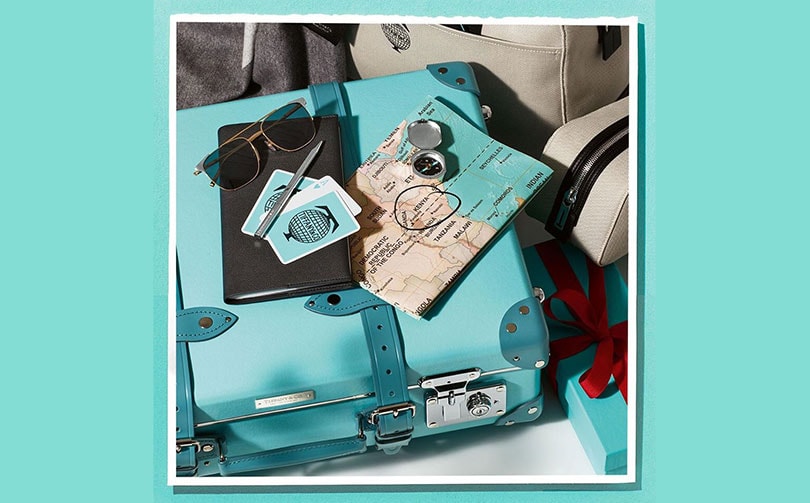
Picture:Facebook/Tiffany & Co.


* This article was originally published here
Saturday, December 7, 2019

Lidewij Edelkoort: Green will be the trend color 2021

TRENDSEMINAR Green will be the fashion colour of summer 2021. At least, that's what trend forecaster Lidewij Edelkoort said last Monday during her semi-annual trend presentation 'Green Wave'. The event, organized by Appletizer, was styled with decor representing nature, scenes of gorgeous Dutch landscapes, ironically with a bustling highway in the distance. After a predominantly brown winter, which Edelkoort predicted for next autumn, she believes that a green summer is a logical continuation. This hue also includes shades of brown within green shades, such as discoloured grasses or new foliage on old branches.

It's an optimistic, cheerful green, Edelkoort said. For the first time in a long time she showed herself to be mildly positive about the future. Edelkoort: "So much is happening right now on the way to a sustainable future. See the growing resistance to buying events such as 'Black Friday'. Or when I look at my students: they are all working with new materials, new yarns, reusing clothes, making less, but better... that gives hope. This is a challenging and fun time. It's not scary."

Grass green, mint green, bottle green

The green for summer 2021 is a reflection of hope. Trend Union, Edelkoort's trend forecasting agency, has worked that green out in detail for the new books with colours, trends and forecasts. Books that give designers and product designers a foothold in their new collections. Inspiration is drawn from plants and leaves, vegetables, cacti and flowers. Edelkoort also referred to the exhibition on trees, which has been extended and can be seen until 5 January at the Fondation Cartier in Paris.

Nous les arbes' exhibition, photo: Luc Boegly, thanks to Fondation Cartier.

On the colour cards for spring / summer 2021 a broad spectrum of greens and complementary colours such as a diluted blue-green, but also tinted whites, red tones and yellows. Edelkoort expects a growing use of alternative yarns and fabrics such as nettle and pineapple, linen and even paper. "We need to reduce the use of cotton in the fashion industry and find alternatives to this water-consuming favourite fabric. This results in more tactility, stiff or fluffy soft fabrics; summary brocade and jacquard. New methods such as deep sea washing of denim; natural dyeing techniques with flowers or vegetables, for example textiles coloured with avocado.

Timeless basics of strong fabrics

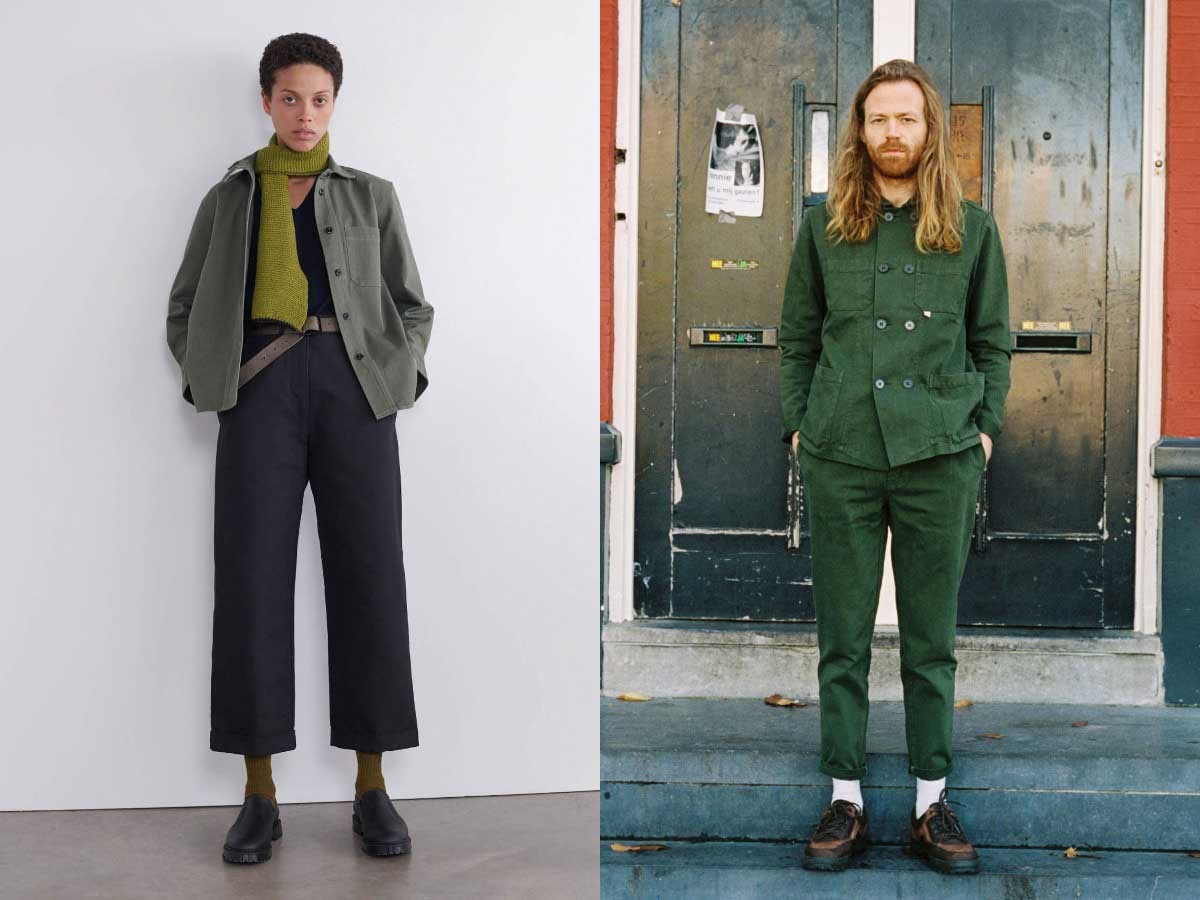
In addition, the trend forecaster identifies a lack of new basics without much ado and challenges the fashion brands present, including many well-known names, to close that gap. "The need is growing for well made, timeless clothes made of solid materials." According to Edelkoort, a new modernism is on hands that focuses on simple clothes: aprons, skirts, straight jackets and trousers in sturdy fabrics. Edelkoort: "The British designer Margaret Howell, for example, does this very well. I see a growing interest in workwear among young people." Demin also fits in here, but a dark and heavier denim, without bleaching or tearing effects. "Not much variation is needed," she emphasizes. "A good design, one good jacket, is enough."

Margaret Howell, MHL, lookbook A/W 19/20 (l); Bonne Suits, photo Maarten van der Kamp (@vonderkampf.alles) ®

Is there no room in the summer of 2021 for floral prints and transparent fabrics, which have always been the main themes in the spring/summer season? "Yes, but less and more disguised," says Edelkoort. "A touch of romance fits very well in the new fashion." And that includes embroidered details, small prints and romantic undergarments.

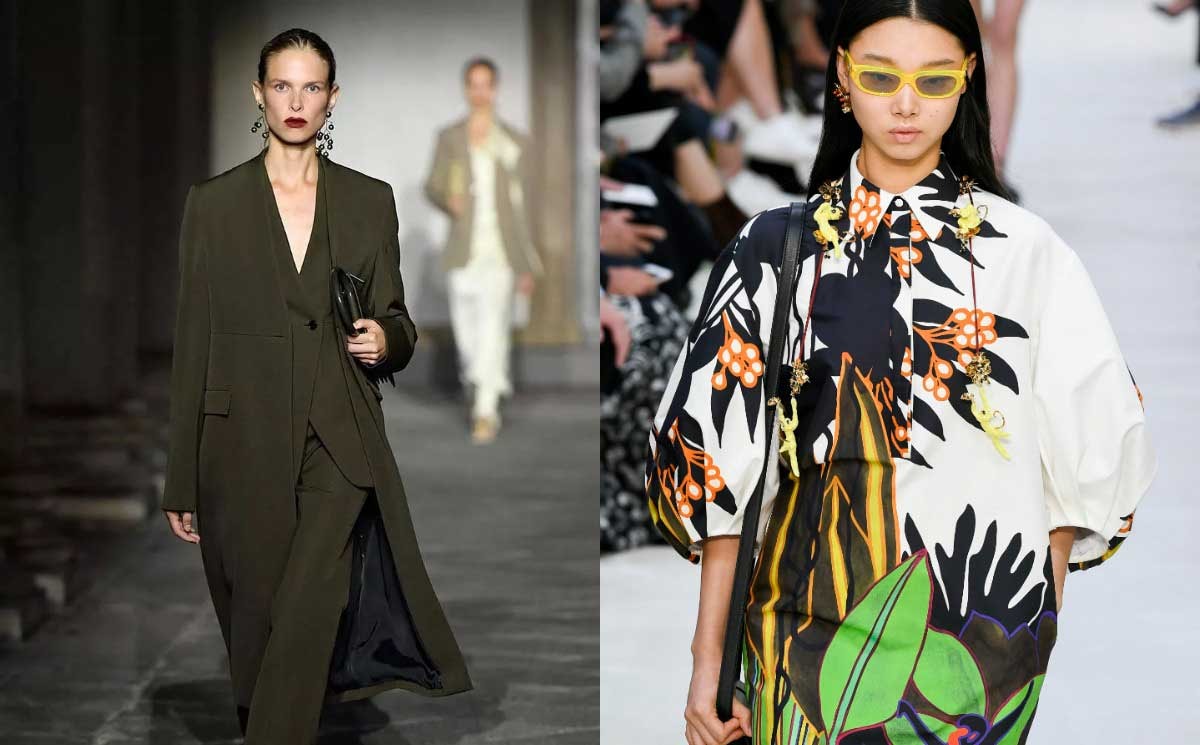
Opening pictures: Jil Sander (l) and Valentino (r), spring/summer 2020, Catwalk Pictures

This article appeared on Tuesday 3 December on FashionUnited.nl, translated and edited.


* This article was originally published here
Friday, December 6, 2019

Menccessories on the Catwalks Spring Summer 2020

Trendstop brings FashionUnited readers a first look at the essential themes informing men's accessories direction for Spring Summer 2020.

The Trendstop team give FashionUnited readers an exclusive look at three of the key accessory stories that will be inspiring the men's fashion market into SS20 and beyond. The great outdoors, breaking boundaries and pushing boundaries are amongst the ideas informing the season's accessories. Hybridization, conceptual constructions and trend translation from other sectors such as performance sports and womenswear usher in a new exciting era of men's design. Our curated catwalk reports and dedicated accessory trend galleries evaluate each trend's commercial value and longevity, giving you the best possible basis for your decision making.

This week Trendstop present three men's accessories stories emerging for Spring Summer 2020. The Hybrid Trekker and Gardener's Raffia illustrate the different ways to apply outdoor trends to accessories while The Moulded Minimalist highlights ultra-modern design and construction methods that mark the evolution of the sector.

The Hybrid Trekker

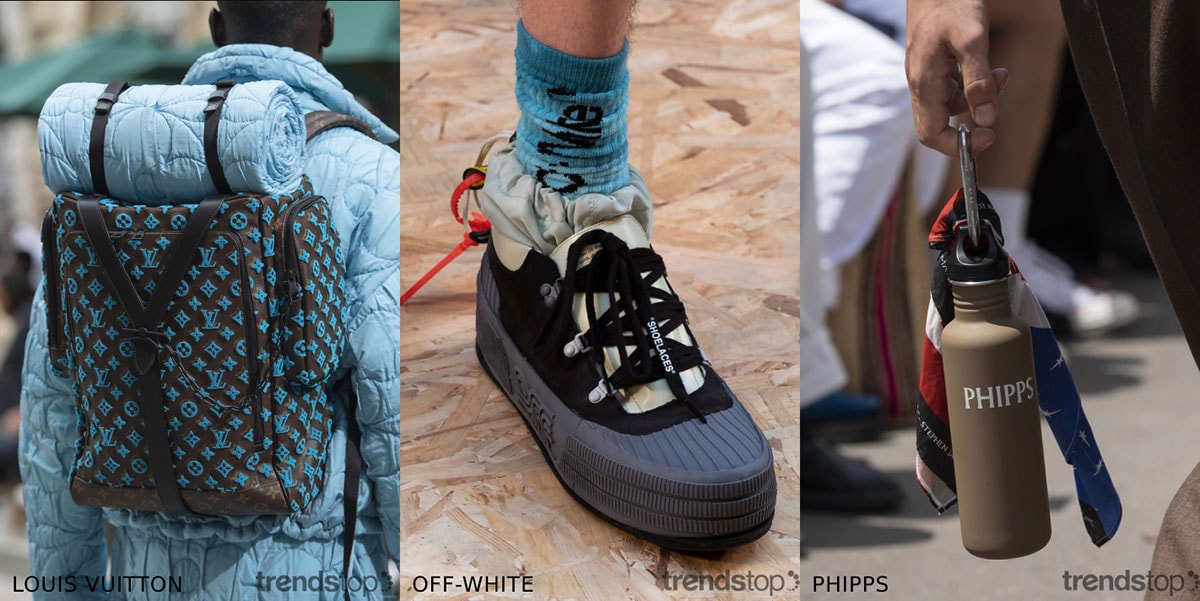
Fashion heads off into the wilderness with a luxe take on hiking and trekking style. Boxy, volume backpacks come with additional equipment straps while sneakers incorporate drawstring ankle cuff and heavy-duty mudguards to protect feet against climate and terrain. Many labels are expanding their product offering, branching out into true outdoor accessories such as branded water bottles, sleeping bags and bed rolls.

Images courtesy of Trendstop, left to right: Louis Vuitton, Off-White, Phipps, all Spring Summer 2020.

Gardener's Raffia

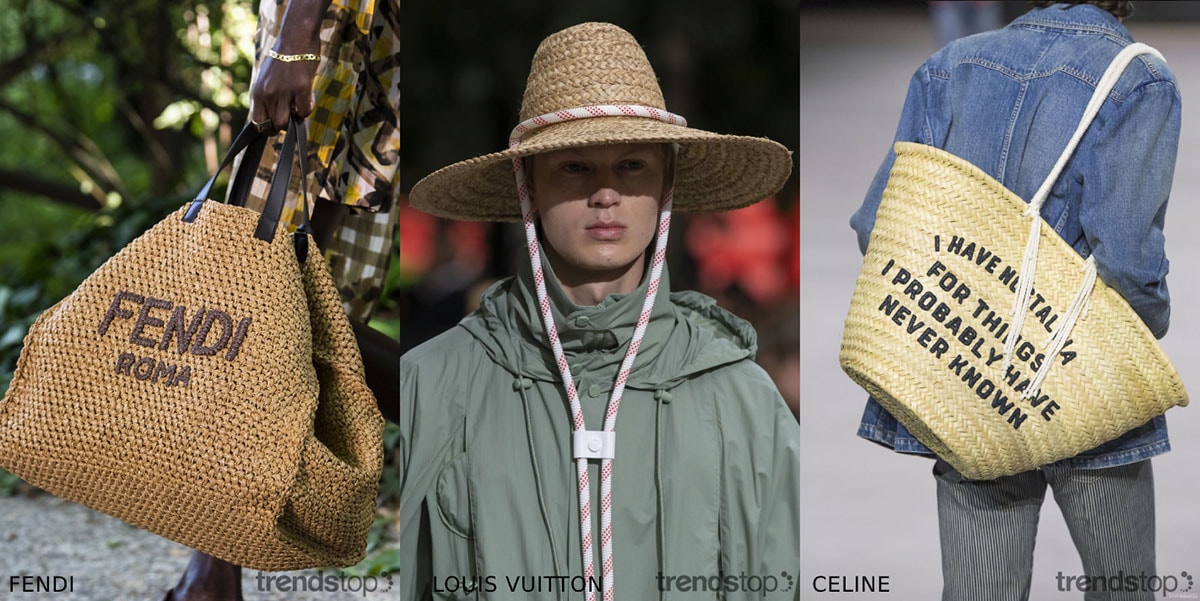
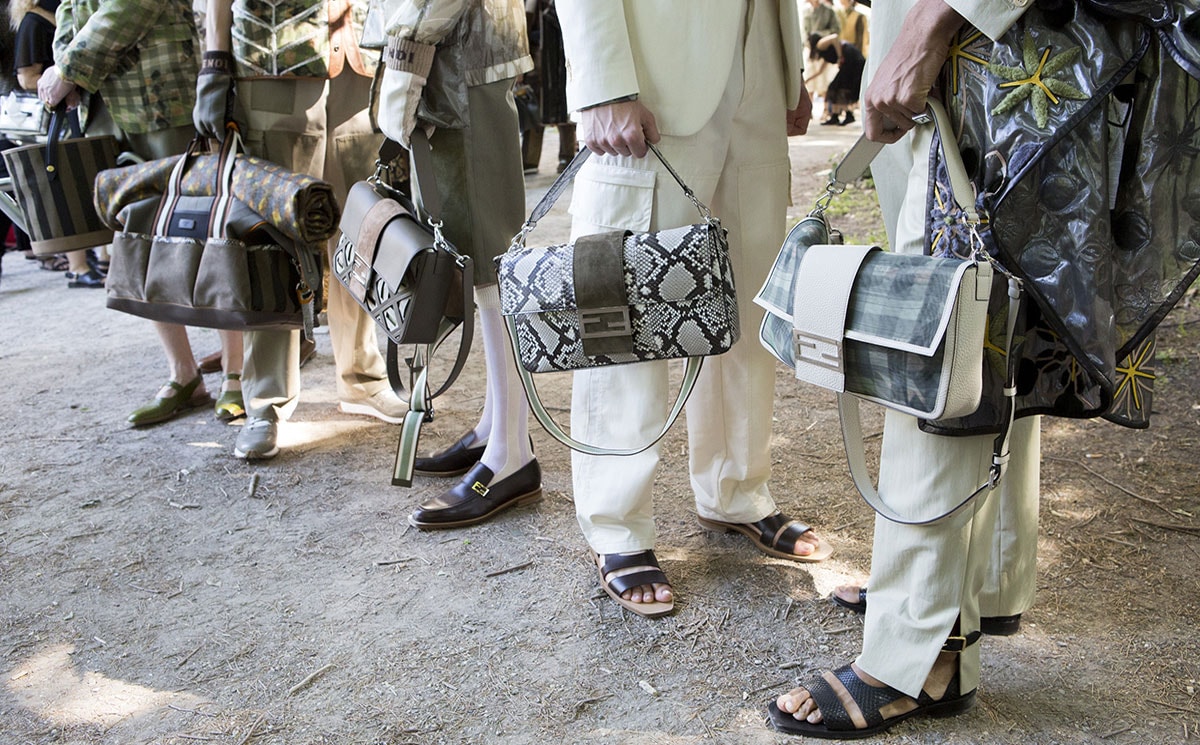
Staying closer to home, leisure time in the garden sees the development of raffia accessories inspired by gardening gear. Already a major trend for womenswear, structured sunhats and oversized baskets or woven totes provide the adaptation for men. Refined textures and finishes update traditional rustic looks with a contemporary sensibility.

Images courtesy of Trendstop, left to right: Fendi, Louis Vuitton, Celine, all Spring Summer 2020.

The Moulded Minimalist

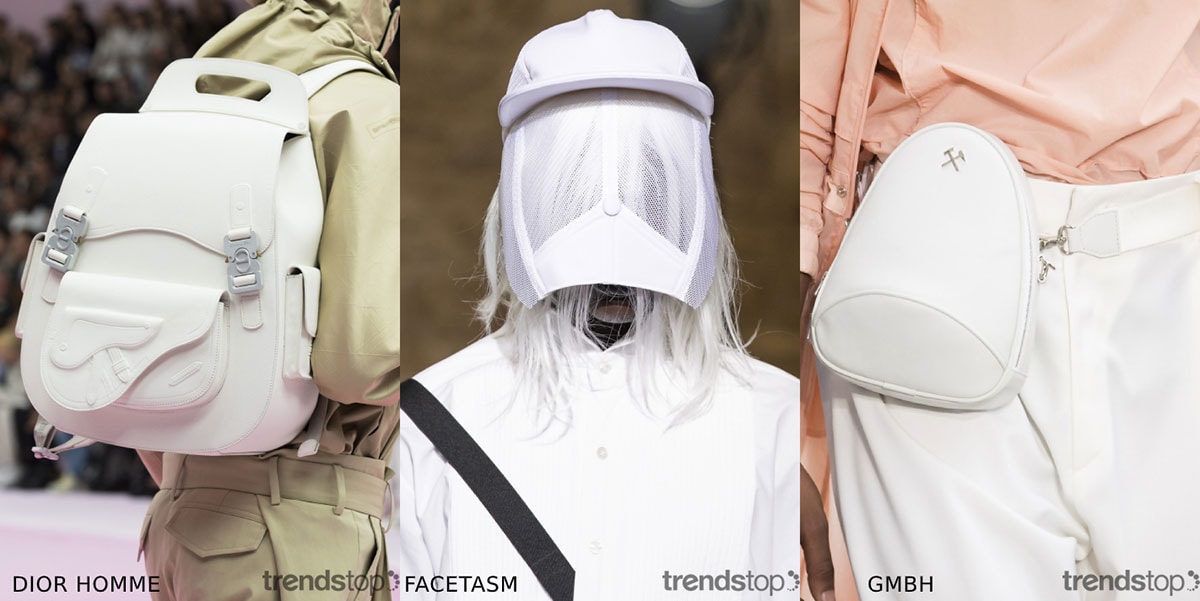
Taking a more futuristic approach, moulded constructions follow a minimalistic vision with structured shapes, smooth contours and bright white finishes. Space age pod-like backpacks and belt bags, as well as sci-fi style face masks putting a conceptual spin on the classic baseball cap, illustrate the new levels of experimentation happening across the men's fashion scene.

Images courtesy of Trendstop, left to right: Dior Homme, Facetasm, GMBH, all Spring Summer 2020.

Exclusive Offer

FashionUnited readers can get free access to Trendstop's Fall Winter 2019-20 Key Accessories Directions featuring all the essential designer level styles for the season. Simply click here to receive your free report.

Trendstop.com is one of the world's leading trend forecasting agencies for fashion and creative professionals, renowned for its insightful trend analysis and forecasts. Clients include H&M, Primark, Forever 21, Zalando, Geox, Evisu, Hugo Boss, L'Oreal and MTV.


* This article was originally published here
Thursday, December 5, 2019

Kingpins names top 10 sustainable products from Amsterdam SS21 show

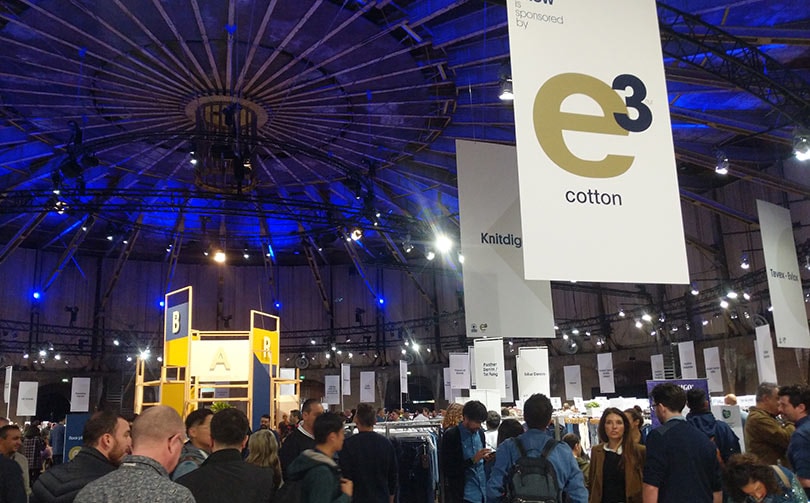
Denim trade fair Kingpins has named the ten most sustainable products featured at its most recent Amsterdam event held between 23 and 24 October.

This is the second time Kingpins has released such a list following the launch of the trade fair’s Most Sustainable Products (MSP) initiative in May, an initiative which aims to help buyers and brands spot the most sustainable products at its shows. This season, the selected products fell into three general categories: fibres, application processes and new concepts. Below is Kingpins’ full list:

Mill: Artistic Milliners
Product: Bio-Vision platform
Description: A new platform built upon research into the opportunities to find the best (and evolving) options for biodegradable/compostable ingredients, which align with the zero-waste design idea. The value proposition of Bio-vision innovation is to eliminate poly in stretch constructions for jeans while maintaining the performance derived from poly blends. Bio-vision fabrics are Ellen MacArthur Jeans Redesign compliant.

Mill: Bossa
Product: Org Deolinda SavesWorldShield
Description: Features a combination of sustainable fibres and dyeing techniques. SavesWorldShield denim is made of 54 percent Refibra; 20 percent recycled cotton; 20 percent organic cotton; 5 percent recycled polyester and 1 percent elastane. The denim has an authentic look and claims of water savings (due to Saveblue dyeing technique) are independently verified.

Mill: Calik Denim
Product: Denethic Denim
Description: A collection of fabrics produced with rinse, rinse + enzyme and bleach wash effects that boast water savings at both mill and laundry levels (ranging from 13 percent to 44 percent), as well as time savings of 18 percent to 45 percent at the laundry. Denethic fabrics create significant resource-saving values for both fabric production and garment washing steps.

Mill: Candiani Denim
Product: Old Recycled (SK6256 K)
Description: A blend of 31 percent recycled pre-consumer cotton, 2 percent recycled pre-consumer elastan, 55 percent lyocell and 12 percent cotton that is OCS, GRS certified. Old Recycled features a combination of best-so-far materials and technologies at each step of the manufacturing process, including the dyeing process, which helps to save 15 percent water, 33 percent chemicals, and 25 percent energy compared to conventional dyeing processes.

Mill: Kilim Denim
Product: Morris Middark Cactus PCRD ST (D5329)
Description: A well-made fabric with a combination of high-level construction, visuals and composition, Morris uses 100 percent organic cotton in the warp, 47.5 percent recycled cotton, 47.5 percent recycled polyester and 5 percent elastane on the weft. The Cactus Project uses a newly developed chemical that improves the fixation of indigo on the warp yarn – resulting in less water being used to remove unfixed dyestuff. Kilim estimates water used for this process will be decreased 93 percent.

Mill: Naveena Denim
Product: Blue Hemp concept
Description: Naveena is going deep into hemp with their Blue Hemp concept, which is a collection of hemp-blend denim fabrics that include a combination of cottonized hemp (up to 50 percent), Tencel and recycled polyester by UNIFI. Blue Hemp fabrics are finished with ozone by Jeanologia.

Mill: Neela Blue
Product: Green by NB
Description: Made with 77 percent organic cotton and 22 percent post-consumer waste cotton, Green features a different technique of yarn spinning to create a new look and the use of post-consumer dyed waste means Green does not involve any dyeing at all – resulting in chemical and water savings as well as elimination of the discharge of polluted water. Green is certified by GRS, OCS and GOTS.

Mill: Orta Anadolu
Product: Immortalist collection
Description: A clever combination of organic cotton and functional, responsible fibers, Immortalist fabrics represent a deep investment in fibers and dyeing processes. A key Immortalist fabric features 79 percent organic cotton with an organic cotton warp, 15 percent Tencel x Refibra, 4 percent Ecomade T400 and 2 percent elastane. The weft is Elastane + Ecomade T400 with organic cotton and Refibra. Life cycle analysis studies give additional value to the concept.

Mill: Prosperity Textile
Product: Revelation Blue (RA3713V)
Description: An indigo-free blue denim with authentic wash-downs. Revelation Blue features a new proprietary eco dyeing technology that is aniline-free, hydrosulfite-free and offers 60 percent water savings.

Mill: Vicunha
Product: Twig
Description: Lightweight denim fabric made without the use of virgin cotton. A continuation of the project initiated with Adriano Goldschmied, Twig fabric is produced with GRS-certified recycled cotton and no additional dye processes – resulting in the use of 90 percent less dye and 95 percent less water.

Andrew Olah, founder of Kingpins Show and the Kingpins Transformers summit series, said in a statement: “Innovation, sustainability and transparency are the critical elements of our show today. The MSP initiative is our solution to bring actionable and reliable information to brands and designers looking for the most sustainable and impactful resources at their disposal.

“Weeks before Kingpins Amsterdam, the MSP team looks at our entire show roster and pre-selects MSP candidates. Then we discuss their products with them before the show and again during the show - and in this way are able to make a selection. We do this for each Amsterdam show. Our research is continual and we are open to hearing from any and all mills anytime - 24/7, 365 days a year - for new, sustainable products.”

Photo credit: FashionUnited


* This article was originally published here

Wednesday, December 4, 2019

Levi's teams up with Cooperative Porto Alegre for recycled denim collection

Levi's has launched a handmade denim accessories collection in partnership with Cooperative Porto Alegre, a non-profit organization that provides job training for vulnerable people, including the homeless, refugees and asylum seekers.

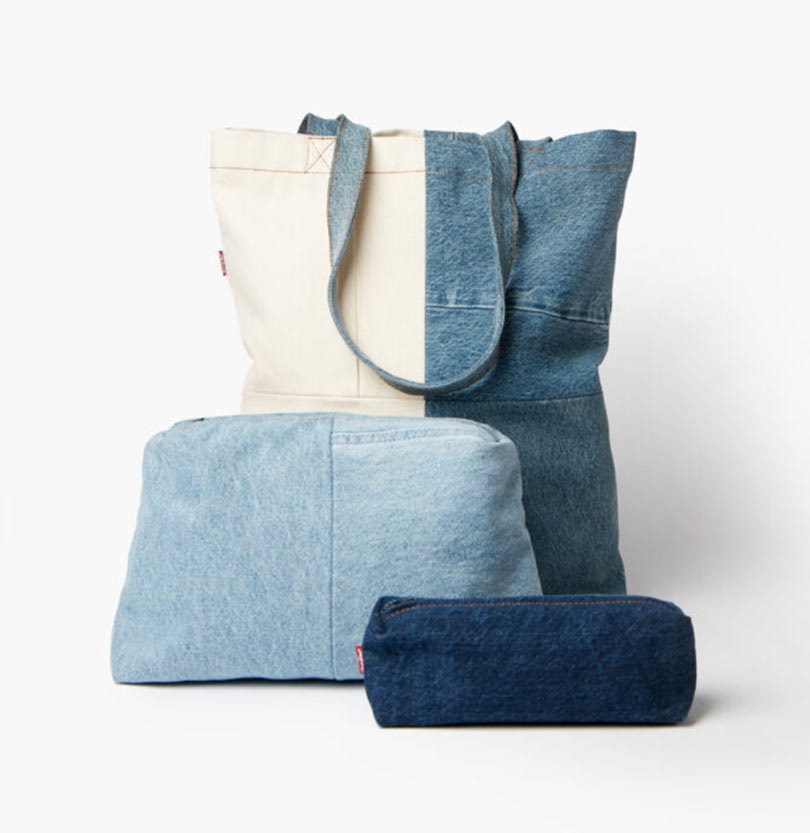
The Levi’s x Coop Porto Alegre capsule collection, which will be available to purchase in selected Levi’s stores and on its website, comprises a selection of tote bags, large pouches and pencil cases made from excess Levi’s denim and fabrics repurposed in Porto Alegre workshops.

All net proceeds from the collection will be donated directly back to Porto Alegre to further support the organisation’s work.

Helping those most vulnerable

Founded in 2001, Porto Alegre is a social cooperative based in Rovigo, Italy, that works to support the most vulnerable members of society, including the homeless, people with health issues, migrants, refugees and asylum seekers.

The partnership is part of a programme established by Levi Strauss & Co over the past three years to support organisations that are providing critical services and assistance to refugees. The programme, which is focused largely in Europe, works with refugees at many different stages, from displacement and disruption to resettlement and longer-term community integration.

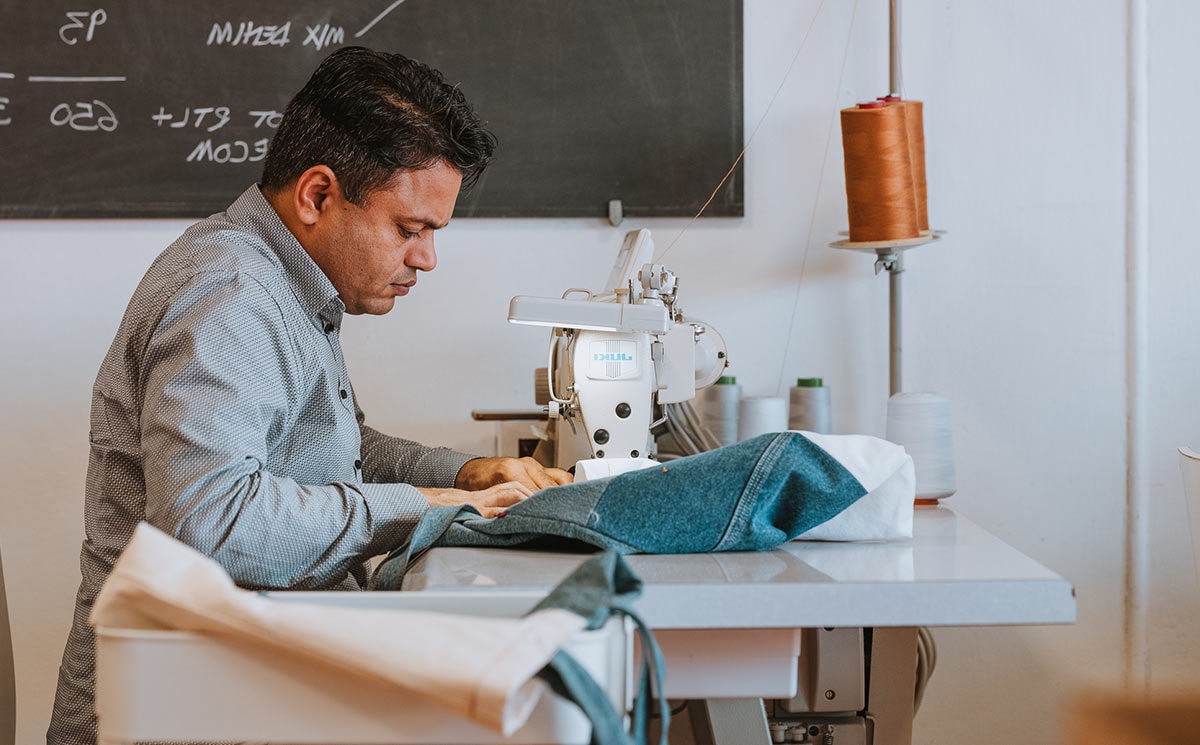
The US denim maker’s partnership with the Porto Alegre centres in the tailoring and dress-making workshop founded by fashion designer Rita Cassetta. The workshop will provide pre-professional training for refugees and asylum seekers, many of whom have worked as tailors and dressmakers in their countries of origin.

Adele Ballotta, senior director ecommerce, site merchandising and operations at Levi Strauss & Co Europe, said: “At Levi Strauss & Co, we’ve always believed that how we make our products is just as important as what we make. The Levi’s x Porto Alegre collection is an example of that belief and of our commitment to being a force for positive change in our communities.

"Every piece is unique, just like the story of the person who made it, and 100 percent of the net proceeds from the collection will be donated directly back to Porto Alegre. We’re passionate about the work Porto Alegre is doing and proud to support their mission.”

Photo credit: Levi's


* This article was originally published here
Tuesday, December 3, 2019

New brands, manufacturers and fabric mills join Jeans Redesign initiative

A number of new brands, manufacturers and fabric mills have joined Ellen MacArthur Foundation’s Jeans Redesign initiative, pledging to meet guidelines setting out minimum requirements on garment durability, material health, recyclability and traceability.

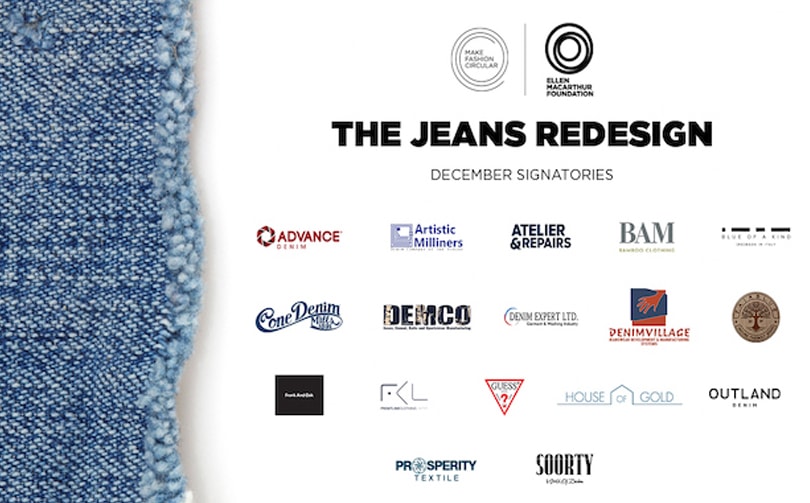
The latest brands to join the project, which was launched by Make Fashion Circular, an initiative from the Ellen MacArthur Foundation, are Ateliers and Repairs, Bam Bamboo Clothing, Blue of a kind, Fairblue Jeans, Frank and Oak, and Guess.

New manufacturers joining the project are Artistic Milliners, Denim Expert, Denim Village, Frontline, and Soorty

The guidelines have also been extended in this batch of new participants to allow fabric mills to join in. They include Advance denim mill, Artistic Milliners, Cone Denim, Demko, House of Gold (through Blue Diamond: Xingtai H&J Textiles Co. Ltd), and Soorty. As well as meeting the original guidelines, they will also have to implement ZDHC (Zero Discharge Hazardous Chemicals) wastewater guidelines, including testing and reporting, and they must not produce more than 0.025m3 of wastewater per yard.

Francois Souchet, Make Fashion Circular lead at the Ellen MacArthur Foundation, said in a statement: “More companies joining the Jeans Redesign demonstrates the appetite in the industry for practical solutions that support the transition to a thriving fashion industry, where all our clothes are used for longer, are made from safe and renewable materials, and are made to be made again. This kind of industry-wide shift needs companies from across fashion to work together. Fabric mills are vital to this transformation and we are excited to bring them on board as part of the Jeans Redesign.”

The first pairs of the redesigned jeans will be on sale in Autumn 2020.

Photo courtesy of Ellen MacArthur Foundation - Make Fashion Circular


* This article was originally published here
Monday, December 2, 2019

Futurologist Lucie Greene: 6 trends influencing consumer behavior in 2020

TALK Antwerp - What about diversity and sustainability in 2020? During the Fashion Talks Flanders DC organised last Thursday in Antwerp, futurologist Lucie Greene made some predictions about trends and consumer behaviour for the coming year. FashionUnited noted six trends:

British-born Lucie Greene moved from New York to LA last year and set up her own trend agency, Light Years. The influence in terms of innovation has shifted to the west of the U.S. in recent years, Greene said in an interview with advertising agency Contagious at the time. New lifestyle trends, direct-to-consumer brands and product categories have come over from L.A. And of course there's also the convergence between technology, gaming and streaming in LA.

Cultural relevant strategy

Greene looks at impactful cultural changes and how they will evolve as well as the emotions and goals of the consumer: how does the life of the consumers change, how will it affect them, how will they live and, ultimately, what do they want to buy. "I'm helping brands understand the implications of impactful change and what strategies they need to develop to be culturally relevant and attractive in a rapidly changing world," says Greene. She then links some of those changes to eye-catching new brands and brand strategies.

New game changers and models

We see an increase in new product categories being launched, such as Tracee Ellis Ross hair care products, specifically for curly and frizzy hair. Large chains are also jumping on this trend and are adding premium private labels to their product range. According to Greene, a mix of technology and influencing is emerging, just look at the September show of Rihanna's Fenty, streamed via Amazon Prime. In addition, there are new brands that pretend to be a non-profit label. They are unpacking the content - sustainability, natural ingredients - and are being sold at a low price to those who join their club.

The text continues after the video

Savange x Fenty show performance preview Amazon Prime Video

Radical inclusiveness

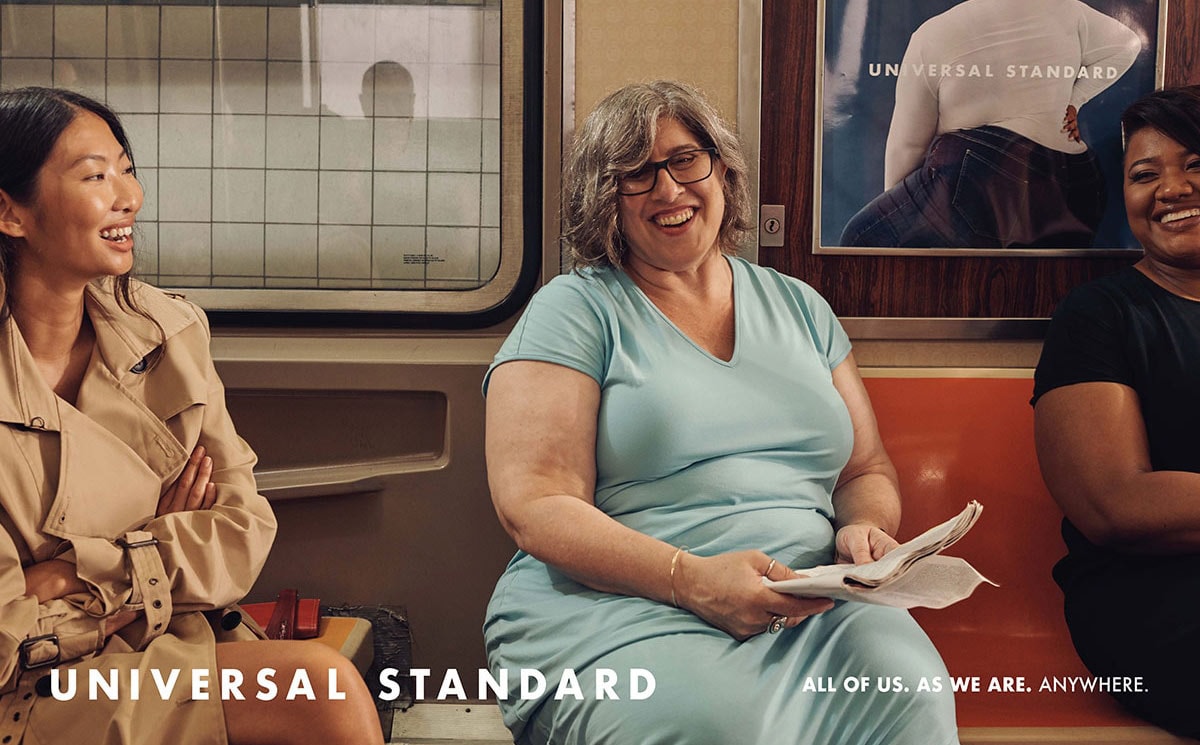
Diversity in all its forms will break into mainstream culture by 2020. Greene gives us an example: Universal Standard that sells clothing from American size 4 to 40 (EU 34 to 70). Henning of Lauren Chan, on the other hand, makes formal clothing for work situations that flatters every type of body. Sainsbury's came up with an atypical pregnancy and breastfeeding line and Tommy Hilfiger, with Tommy Adaptive, focuses on consumers with a disability. Campaigns are also increasingly seeing models of real skin conditions such as psoriasis, acne, cellulite or stretch marks.

Opmars of Gen Z

Fear also stimulates trends - the climate protest is driven by fear - and thus becomes - cynically enough - something that can be capitalized on. "Gen Z grew up with uncertainty, thinks progressively and is very entrepreneurial but with a social purpose. They see themselves as a brand, partly through social media and influencing. They think creatively, make something and sell it immediately, via social media. Retailers who want to appeal to Gen Z must realise that they are dealing with conscious consumers," says Greene. "They love vintage and unexpected categories such as anti-consumption brand Everybody.world or genderfree-shop Phluid. A trend that will become very important in 2020 is the impact of gaming. Greene: "For Gen Z, gaming is a form of social media. They meet on games, and date through apps. They make contact via Tinder and then meet each other on Fortnite. The world of gaming is interwoven with the visual culture. We already had virtual influencers like Lil Miquela, but now there is a complete intersection of gaming and beauty of fashion. For example, the Dazed Beauty platform brings unexpected, futuristic beauty reports with inspiration from cyberspace.

Sustainability 2.0

Greene also points to the so-called 'goal revolution' - a redefinition of why people are here, what makes them happy and what they spend their money on. Wellness is what millennials want today: from air purifiers to organic cotton and everything that makes us healthier and improves our lives. Sustainability is no longer a trend but the basis from which new brands can start," Greene explains. "Brands that aim to change consumer behaviour include By Humankind, a beauty label with reusable packaging, or For Days, where you can take out a zero waste T-shirt subscription.
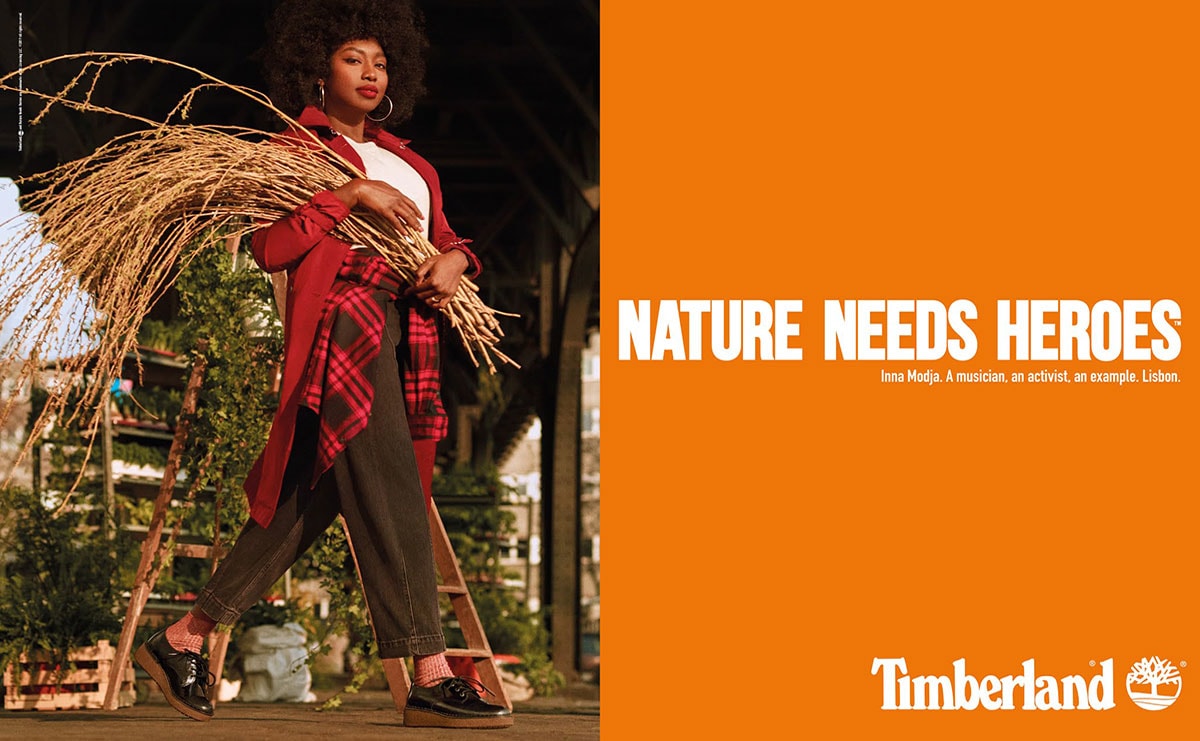
Another trend that comes under this is the vegan lifestyle, which is sustainable and good for your health. In addition, innovation in the field of sustainability is called the new luxury, such as new textiles as an alternative to animal materials, with Stella McCartney as the pioneer, of course. Social collabs are also being created, such as Guerlain x Unesco or Timberland's reforestation project", she further illustrates.

Photo: Timberland

Communities

The fifth trend mentioned by Greene responds to the general wave of isolation: "Social media can tend to make consumers unhappy or lonely. So brands are building new communities where activities and workshops are organised so that they can find that sense of belonging. Examples are the social bakery Luminary Bakery in East London, the collaboration of Vans with avant-garde gallery KK Outlet in Covent Garden and the pottery classes of Still Life Ceramics in L.A.".

The text continues after the video

Video: Still Life Ceramics

Technological revolution

"More and more is also becoming possible due to the rapid technological evolution", says the trendwatcher. "Lil Miquela now has more than 1.5 million followers and has deals with major brands such as Supreme and Diesel who sees her as a powerful marketing tool. Other examples include experience-focused e-commerce, such as Obsess, the shopping platform that leases out virtual, experience-focused stores to brands, as well as the investment in interactive mirrors from the sportswear brand Lululemon. In addition, technology is a source of inspiration for new products: game branding or virtual collections such as Jeremy Scott's collection for The Sims. Augmented reality filters are used to advertise products such as the Adidas Deerupt filter on Snapchat or Candy Crush filter on Instagram to increase brand awareness. It's the 21st-century version of the billboard," concludes Greene.

Photo: Moschino The Sims

This article was originally published on FashionUnited.nl before being translated and edited to English

Main photo: Universal Standard campaign NYC metro


* This article was originally published here
Sunday, December 1, 2019

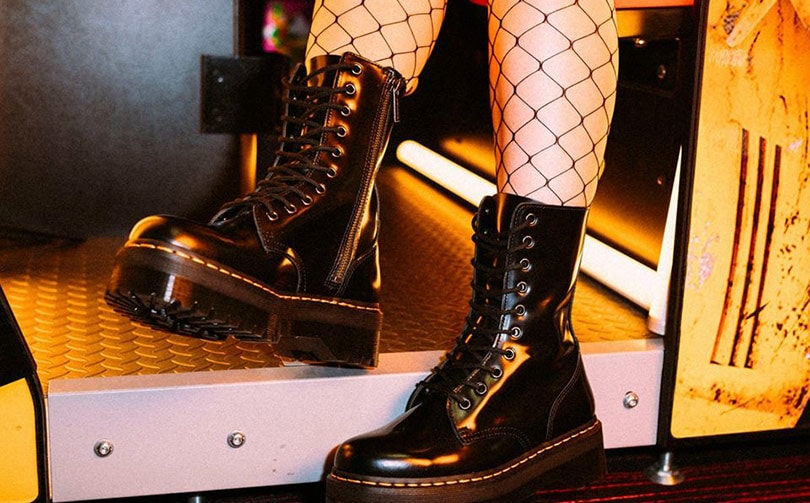
Dr Martens could be bought by American investment firm

American investment firm Carlyle Group LP is reportedly mulling a bid for British footwear brand Dr Martens.

Carlyle is in early talks over a potential offer, though no decision has been made and other bidders could emerge, Bloomberg reports, citing people familiar with the matter.

The British brand, known for its counterculture punk style, is currently owned by rival investment firm Permira, which bought the brand from the founding Griggs family in 2014 for 380 million pounds. Earlier this year, it was reported that the firm was working with Goldman Sachs Group Inc. and Robert W. Baird & Co to consider selling the bootmaker or floating it on the US stock market.

None of the parties involved have confirmed or denied the rumoured talks.

Dr Martens has enjoyed healthy growth under Permira. For the year ended 31 March 2019, the brand reported a 20 percent increase in total revenue to 348.6 million pounds, while EBITDA rose by 33 percent to 50 million pounds.

Retail revenue at the brand rose by 30 percent to 126.7 million pounds, while e-commerce increase by 67 percent to 72.7 million pounds.

During the year, the British brand opened 20 new stores.

Photo credit: Dr Martens, Facebook


* This article was originally published here