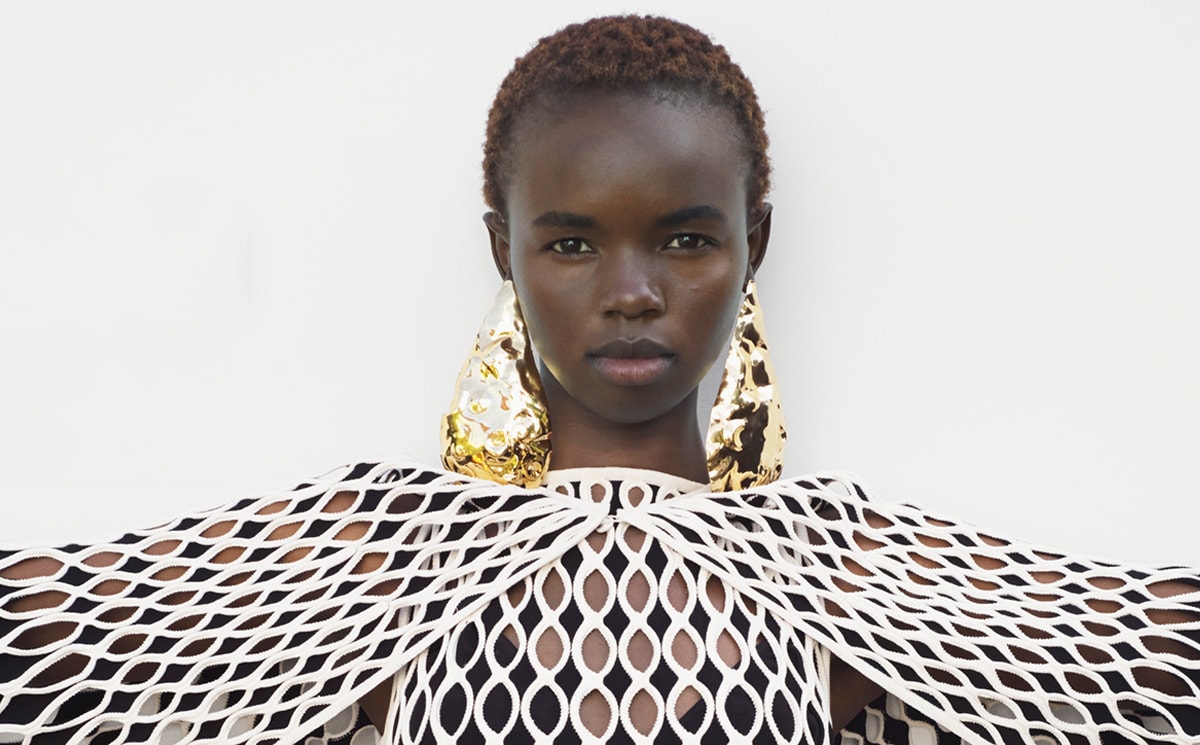
Trendstop brings FashionUnited readers a first look at the essential
styles informing women's accessories direction for Spring Summer
2020.
The Trendstop team give FashionUnited readers an exclusive look at three of
the key accessory product themes that will be inspiring the market into
SS20 and beyond. Meeting the lifestyle needs and challenges of the consumer
are key for the season's accessories designs. A fashion-meets-function
approach yields practical sizing solutions, new tech carriers and
problem-solving constructions. Our curated catwalk reports and dedicated
accessory trend galleries evaluate each trend's commercial value and
longevity, giving you the best possible basis for your decision
making.
This week Trendstop present three women's accessories stories emerging for
Spring Summer 2020. Plays with scale are rooted in practicality as The Midi
Handbag and The Airpod Holder decode everyday user demands. Heat Seal
Effects incorporates the latest in construction and finishing methods,
giving accessories and ultra-modern elevation.
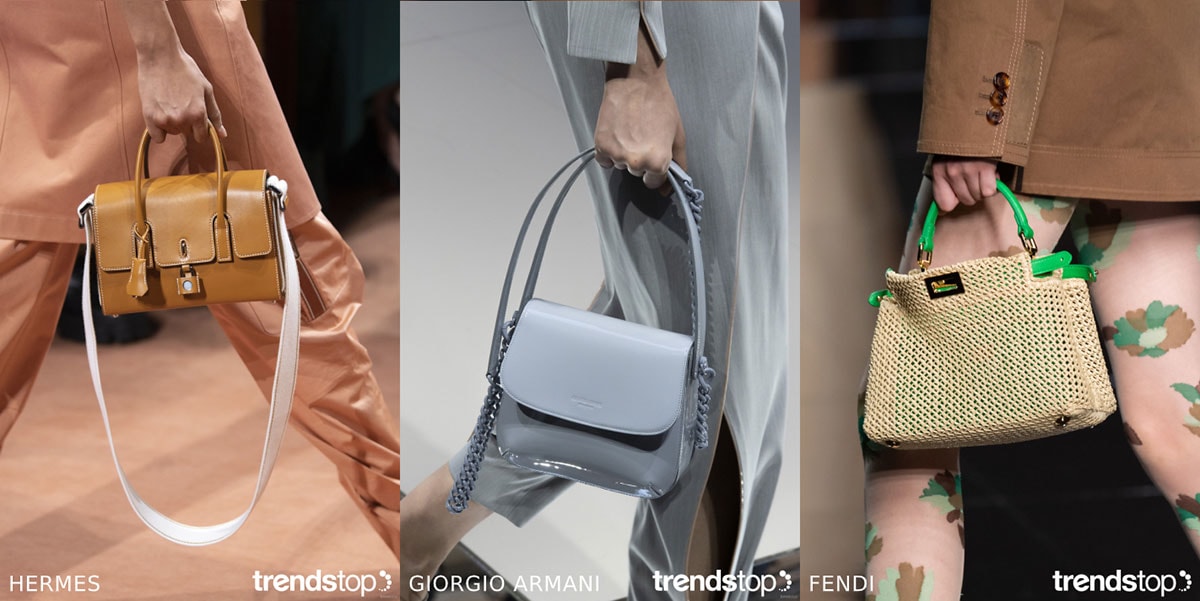
The Midi Handbag
Experiments with scale see classic handbag styling reworked for spring with
smaller, neater and more compact proportions. Offering improved
functionality vs. the popular mini versions, midi sized designs are set to
become the everyday essential for the season ahead.
Images courtesy of Trendstop, left to right: Hermes, Giorgio Armani, Fendi, all Spring Summer 2020.
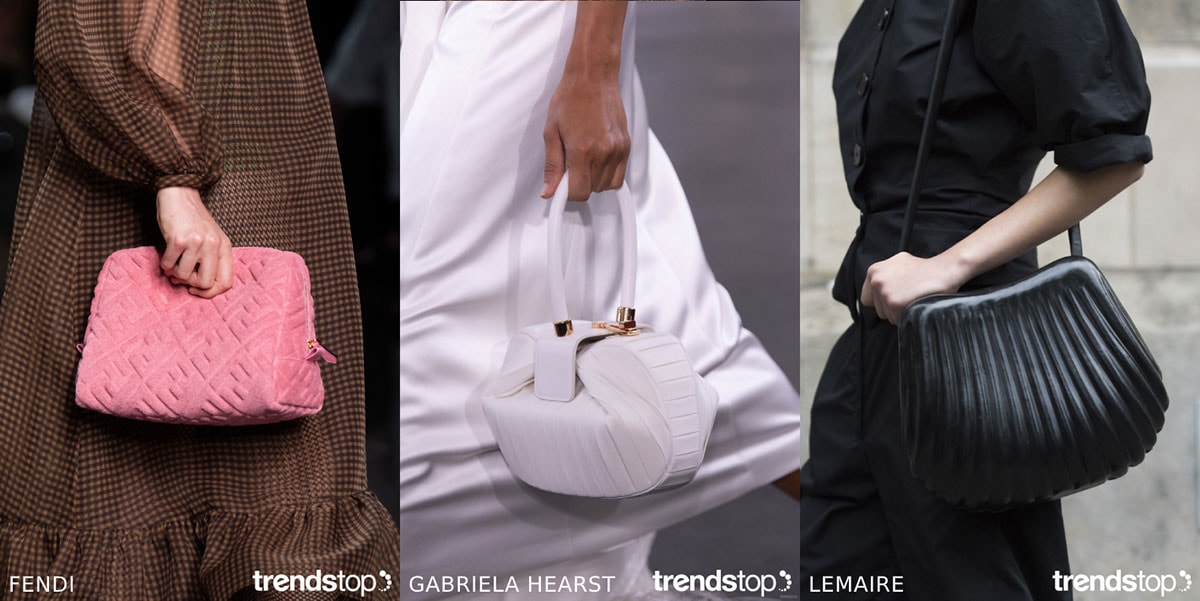
Heat Seal Effects
Heat sealing offer a highly contemporary construction or surface treatment
option for bags. Forming the basis of structured shell bodies or providing
an elevation on quilting and padding techniques, heat sealing can be used
to create raised effects from contoured ribbing to updated monogram
finishes.
Images courtesy of Trendstop, left to right: Fendi, Gabriela Hearst,
Lemaire, all Spring Summer 2020.
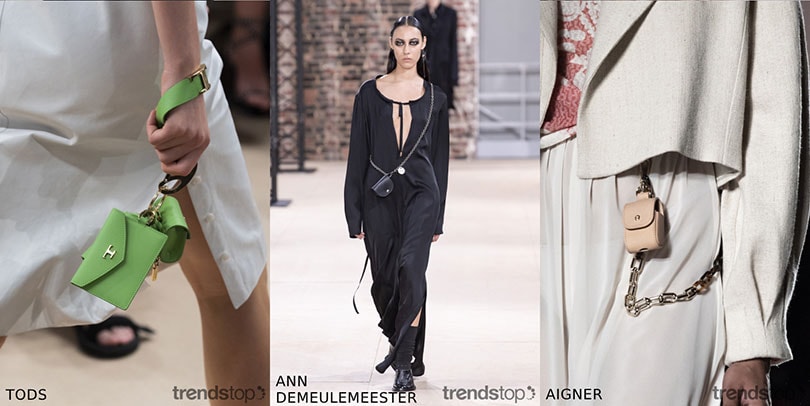
The Airpod Holder
The advent of any new personal tech requires an accessory to transport it
in or protect it from damage. Tiny structured cases and micro purses
designed to carry airpod-sized products feature fashionable yet functional
wrist straps or belt loop chains for easy portability.
Images courtesy of Trendstop, left to right: Tods, Ann Demeulemeester,
Aigner, all Spring Summer 2020.
Exclusive Offer
FashionUnited readers can get free access to Trendstop's Resort 2020 Key
Accessories Directions featuring all the essential designer level styles
for the upcoming season. Simply click the banner to receive your free
report.
Trendstop.com is one of the world's leading trend forecasting agencies
for fashion and creative professionals, renowned for its insightful trend
analysis and forecasts. Clients include H&M, Primark, Forever 21, Zalando,
Geox, Evisu, Hugo Boss, L'Oreal and MTV.
Weekday, a Swedish denim and fashion brand owned by the H&M Group,
is piloting a new program to offer custom-made jeans. The program
utilizes emerging technologies through the company's innovation hub
The Laboratory to create products with unique sizes and fits at
affordable prices.
"We always have our customers at the heart of everything we do, so
the purpose of this pilot was both to understand what they want from a
custom-made denim product, what they think about the new experience
and to test the readiness of the technologies. The pilot enabled us to
gain invaluable insights that we simply couldn’t get from just testing
internally," explained Laura Coppen, sustainable and circular business
developer of The Laboratory, in a statement.
Through the pilot, 100 customers were invited to trial the
technology and provide insights on the service. Customers were
body-scanned and then offered customization options to design a unique
pair of jeans, which were produced and delivered within ten days using
H&M's partner factories. Once the final products were delivered, the
customers returned for a fitting and determined whether they liked the
fit and comfort level.
H&M Group partners with Unspun
Results determined an 80 percent satisfaction rate among participants,
surpassing the company's goal of a 65 percent satisfaction rate.
The H&M Group partnered with Unspun to facilitate this pilot. The
venture-backed robotics and apparel company created an algorithm for
delivering a perfect fit for custom-made jeans. The algorithm converts
the body scan into a paper pattern and measurement list that is
production ready.
"I’m an optimist but I had some skepticism on how all the pieces of
the puzzle of this model would fit together as we go live," Coppen
added. "Therefore, I’m really happy to see that the result
outperformed our expectations. Due to the positive result we will
scale the pilot to an in-store experience. We will likely have more
styles and other features based on the customers feedback."
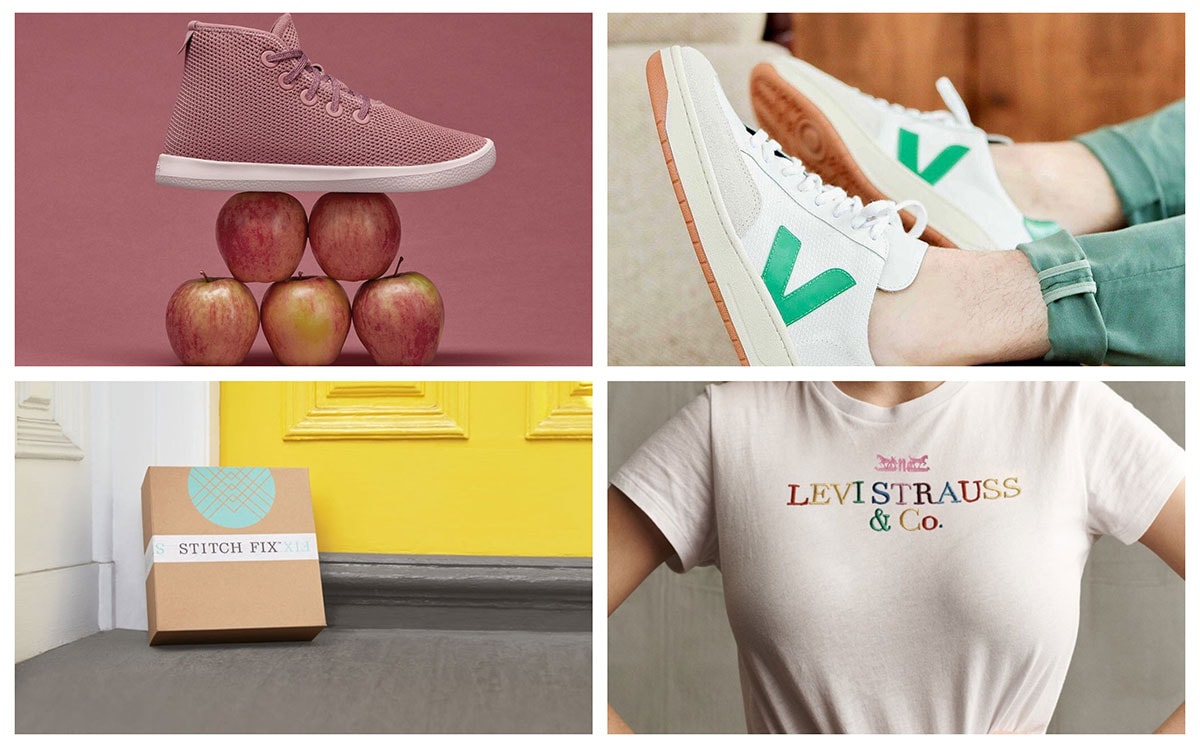
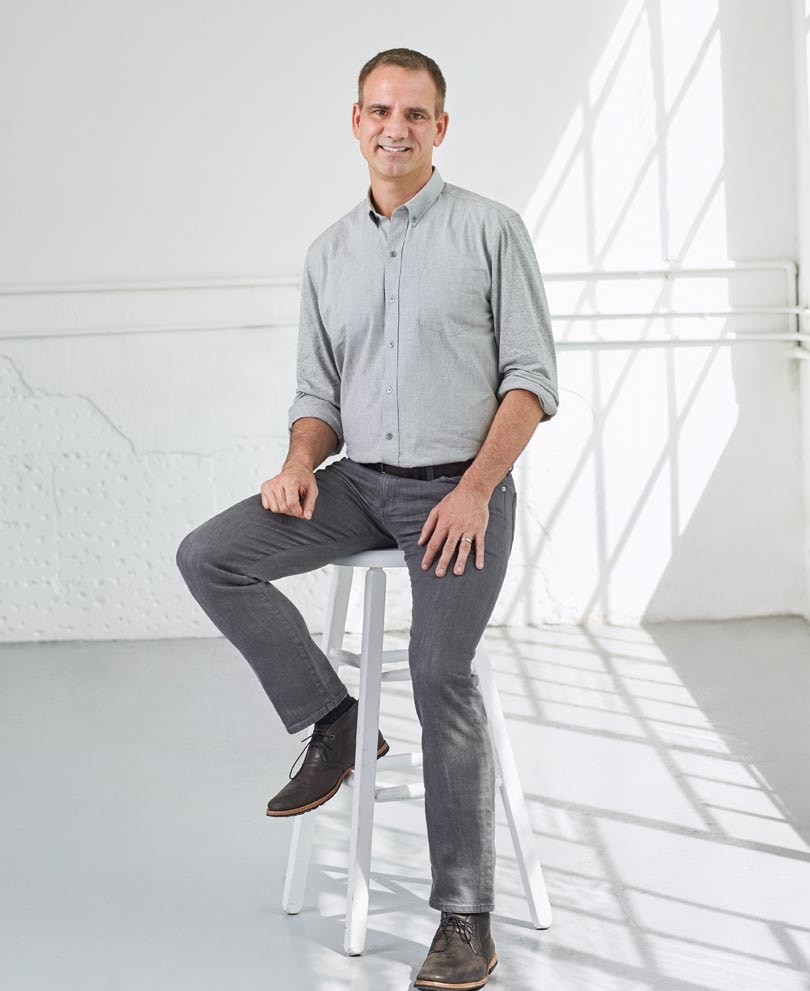
FashionUnited had the pleasure of interviewing a number of fashion CEOs, C-suite executives, activists, academics and designers in 2019. As the year draws to a close, we’re looking back at the most insightful interviews we have published this year. Enjoy!
“We run algorithms through the entire company. We basically use machines for everything that can be
calculated” - Eric Colson, Chief Algorithms Officer at Stitch Fix
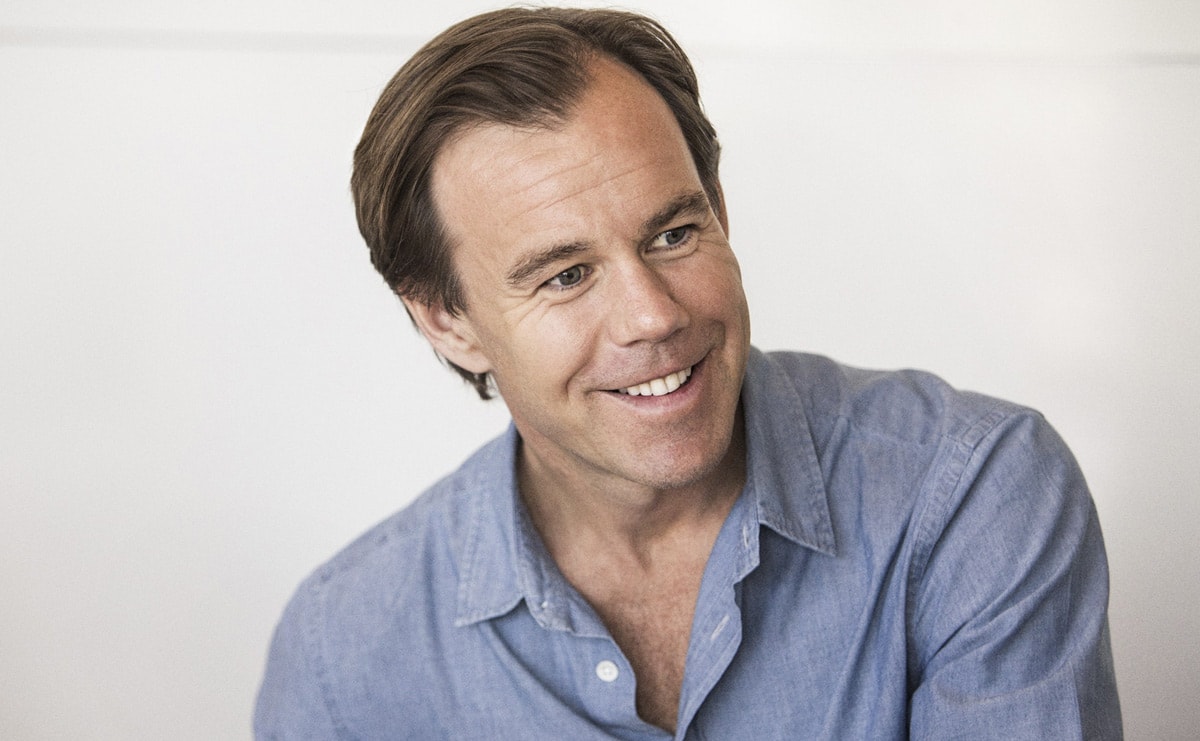
“One of the greatest challenges of our times is to make the fashion industry circular. We should stop using ‘virgin materials’ the way we do now” - Karl-Johan Persson, CEO of H&M Group
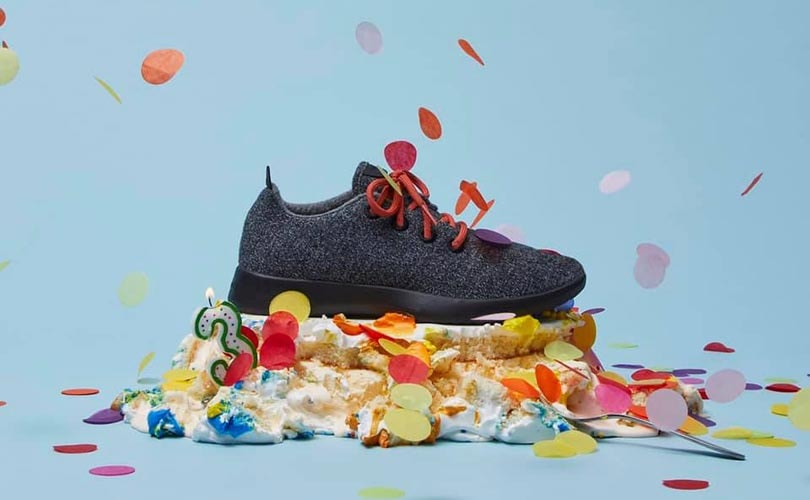
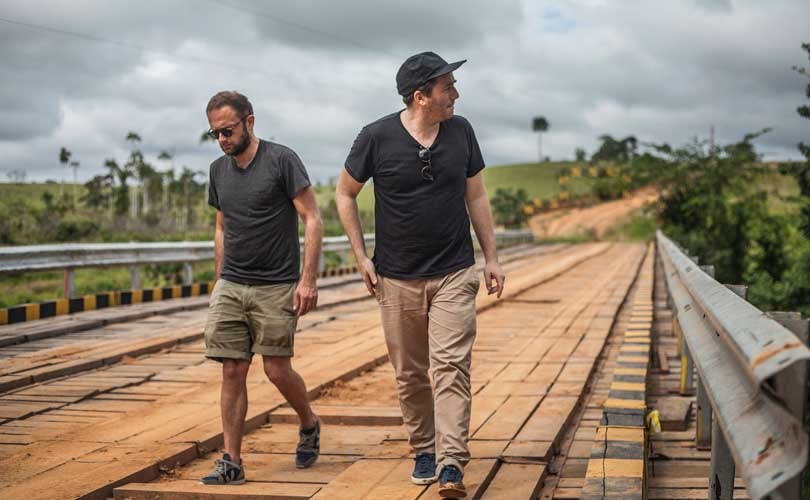
“Our goal was to find an alternative, but without using plastic, like the majority of ‘vegan’ leathers on the market are already doing” - Sébastien Kopp and François-Ghislain Morillion, founders of sneaker brand Veja
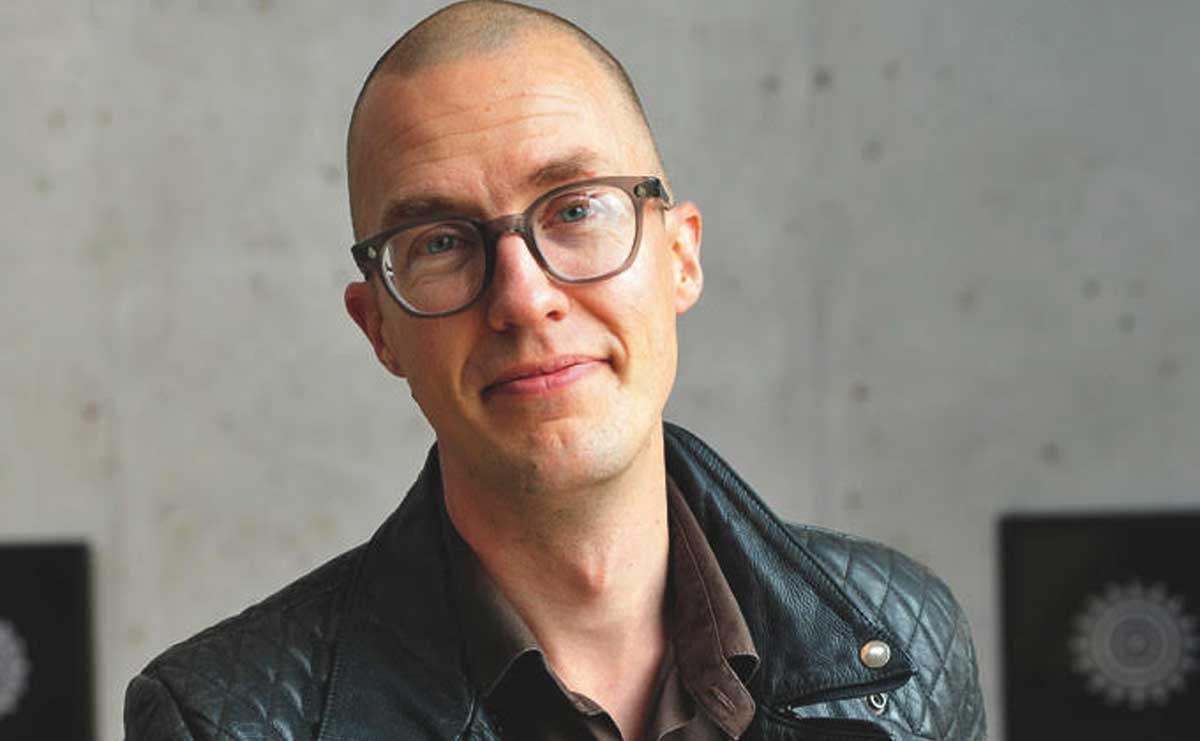
“Taking clothes back into the store for brands to then, in secret, dump or burn them overseas is not circular. Remaking surplus garments into new clothes that then get dumped next season is not circular either” - Otto von Busch, Associate Professor of Integrated Design at Parsons School of Design
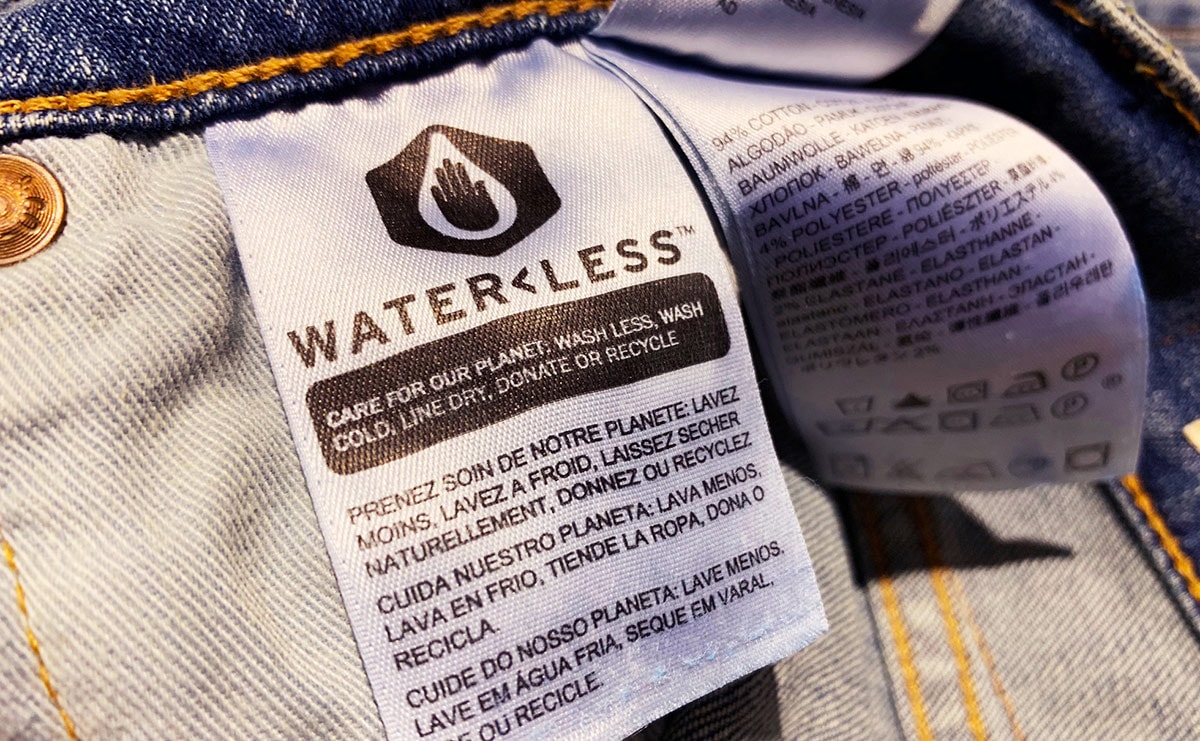
“Water demand and scarcity are variable and we were operating according to a ‘one size fits all’ approach that did not address the reality of water stress” - Michael Kobori, Vice President of Sustainability at Levi Strauss & Co.
“You can create shapes that you really couldn’t create with other technologies” - Valérie Vriamont, Business Developer and Innovation Consultant at 3D-printing company Materialise
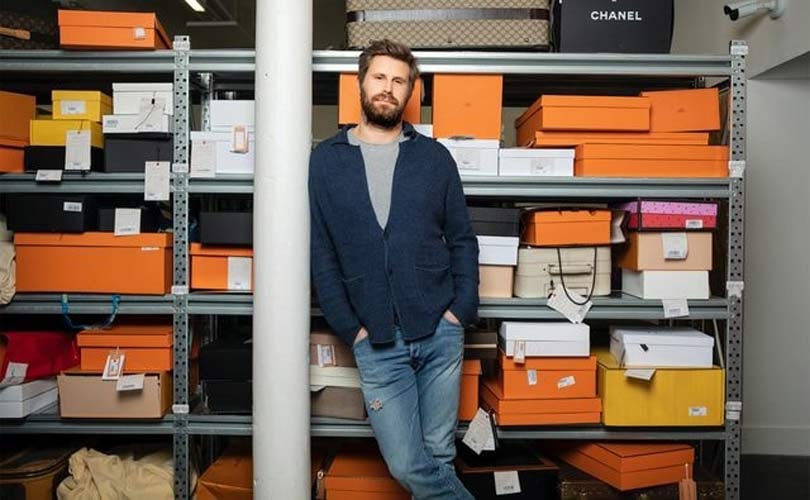
“This new generation has grown up with Uber and Airbnb, so I think the resale market is a natural extension of this idea” - Max Bittner, CEO of Vestiaire Collective
“It is incredible to think that 85 percent of the professions that will exist in 2030 still do not exist today” - Deborah Lee, Chief People Officer at Yoox Net-a-porter Group
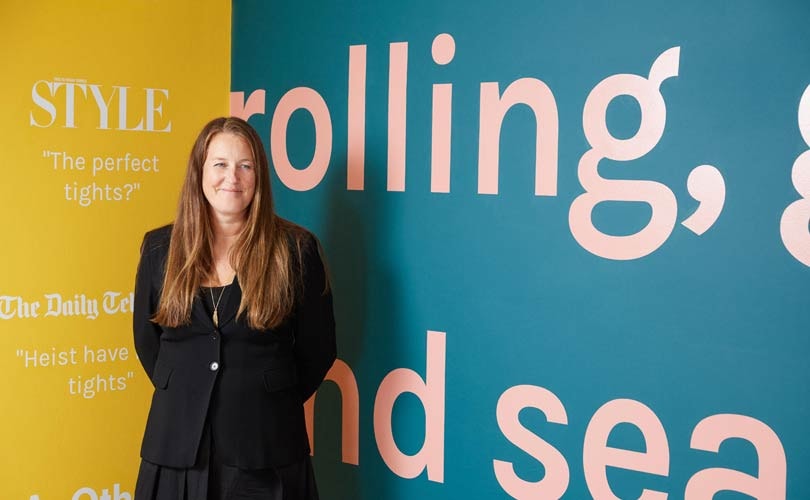
Photos: courtesy of Stitch Fix, Allbirds, H&M, Herschel Supply, Diarrablu, Heist Studios, Materialise, Vestiaire Collective, Veja, C&A, Otto von Busch, YNAP and Levi Strauss & Co.
Homepage image: Allbirds, Veja and Levi's Facebook pages. Courtesy of Stitch Fix
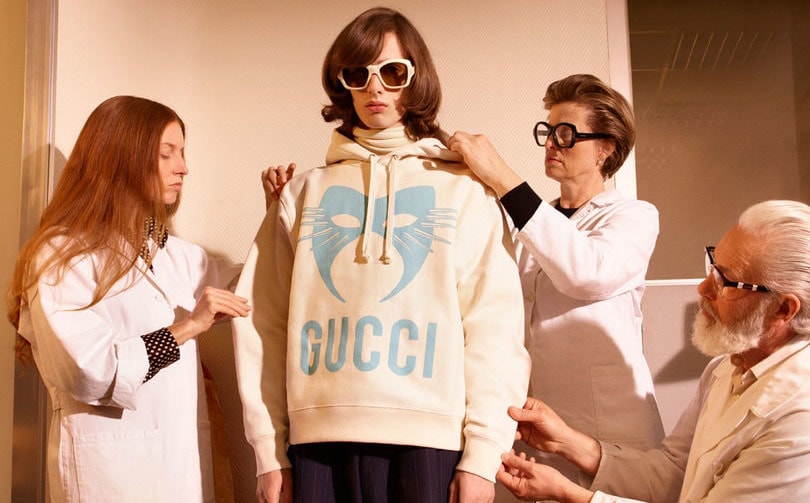
After going carbon neutral in September, Gucci is
daring other companies to do the same. CEO Marco Bizzarri published an open
letter to CEOs yesterday, asking them to take urgent steps to reduce their
greenhouse gas emissions, instead of solely focusing on goals for over the
next decades.
“Given the scientific evidence from the recent IPBES and IPCC reports,
we don’t have the leisure to just work to avoid and reduce our impact on
climate and biodiversity over the long-term. Nor can we wait for technology
and climate smart solutions to catch up, and to scale up, to meet the
sustainability challenges we all face,” Bizzarri wrote. “Today we need to
be responsible and accountable for the full scope of our greenhouse gas
emissions and deliver nature-based climate solutions that mitigate these
and drive positive change.”
“This can be achieved through a logical and clear strategy to ensure
that a company accounts for all the greenhouse gas emissions within its own
operations and across the supply chain, prioritizes actions to first avoid,
reduce and restore, and then offsets all the remaining emissions as a final
measure,” he explained.
Bizarri finished the letter by inviting fellow CEOs to join Gucci’s
Carbon Neutral Challenge, whose guiding principles are available for
download at equilibrium.gucci.com.
Gucci’s challenge was launched on the same day European low-cost airline
EasyJet also announced it is going carbon neutral by offsetting all
greenhouse gas emissions for its 331 planes, becoming the world’s first
major airline to operate net zero carbon flights across its entire
network.
The RealReal is the first fashion company to react to Gucci’s Carbon
Neutral Challenge
Luxury resale platform The RealReal was the first fashion company to
respond to Bizzarri’s letter. Today, the company announced its intention to
go fully carbon neutral in 2021.
“Marco Bizzarri’s challenge to execute more radical and immediate change
inspired us to respond with greater urgency and turn up the dial on the
commitment we made with the UN’s Fashion Industry Charter for Climate Action,”
said Julie Wainwright, CEO of The RealReal. When joining the UN Charter
earlier this year, The RealReal committed to a 30 percent reduction in greenhouse
gas emissions by 2030.
“Between the conversations we had at this year’s Copenhagen Fashion
Summit to the important work of activists like Greta Thunberg, it’s clear
that we must do more and do it faster,” noted Wainwright. To achieve its
updated goals, The RealReal has hired sustainability consultancy Shift
Advantage to measure its emissions and establish a path to implementing
reductions.
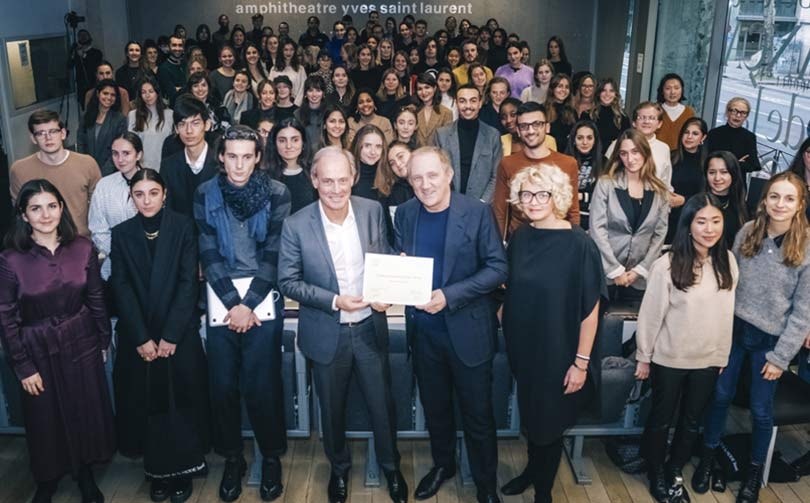
On November 14, the Institut Français de la Mode (IFM) inaugurated a new Chair aimed at creating a high-level research and teaching centre in the fashion sector by integrating all aspects of sustainable development and CSR.
The "IFM - Kering Sustainability Chair", was inaugurated in the presence of François-Henri Pinault, CEO of Kering, and Xavier Romatet, IFM's Chief Executive Officer. Under the direction of Andrée-Anne Lemieux, PhD in industrial engineering and professor in charge of all initiatives related to sustainable development within the IFM.
This Chair will focus upon scientific research on a wide range of topics related to sustainable development, from traceability to measurement and eco-responsible business models. While aspects of the ecology of creation will also be studied in order to identify ways in which creative teams can develop an ecological culture and propose new sustainable creative offers with high attractiveness while developing tools for measuring, appropriating environmental and social issues.
Dedicated to a future of responsible fashion
"The IFM - Kering Sustainability Chair is an integral part of the IFM's strategy by enabling students to acquire a 360° understanding of sustainable development issues so that they can participate as future professionals in the transformation of the sector," said Xavier Romatet.
Thus, the Chair's research work will include supervising doctoral students on university theses, contributing to scientific publications and participating in conferences related to the Chair's program and issues.
Training modules dedicated to responsible fashion (ready-to-wear, shoes, leather goods, accessories and jewellery) will be developed for training courses ranging from CAP to Bac+5 in creation, management and know-how as well as for continuing training for companies. An active pedagogy will make it possible to approach sustainable development through the environmental, social and societal aspects relating to economic models, supply processes, innovations, materials, manufacturing processes, consumers, etc.
"Research and education play a fundamental role in changing the practices and models of the fashion sector. At Kering, these are key elements of our sustainable development strategy because we believe that it is our duty, as a luxury group, to address the generations that will make the fashion of tomorrow. I am pleased that Kering is partnering with the IFM to create a Chair dedicated to sustainable development and I am convinced that the resulting research will have a concrete application to help transform our sector," commented Marie-Claire Daveu, Director of Sustainable Development and International Institutional Relations at Kering.
This article was originally published on FashionUnited FR. The text has been translated for an international audience.
New York – UK-listed Indian fashion e-commerce platform Koovs PLC said
Monday it remains in talks with major shareholder Future Lifestyle Fashions
Ltd, owned by Future Group, for completing its outstanding 6.5 million
pounds investment.
Koovs shares were down 31 percent at 2.50 pence each in London on Monday
afternoon. As a reference, three years ago, the stock traded about 70
pence.
FLFL currently holds a 26 percent stake in Koovs and has already
invested 250,000 pounds for 881,523 convertible preference shares at 28.36
pence each, which will convert to ordinary shares in June 2020. The capital
infusion was paused after the Reserve Bank of India asked FLFL to reapply
for approval before any further subscriptions are made.
"FLFL has confirmed to the company that it is in the process of
reapplying for approval of the investment from the Reserve Bank of India
and that it remains committed to honouring the investment," Koovs said.
Koovs also said that it is "actively considering all other financing
alternatives available to it." The company currently has cash reserves of
around GBP2.2 million which is sufficient for 2019.
The London-based, however, warned that it may no longer be able to trade
as a going concern if it fails to secure further funding from FLFL or
through alternative sources.
Koovs PLC (LON: KOOV) have seen their shares sink across Monday trading,
amid talks between shareholders over a major financial investment.
Shares of Koovs sunk 29.6 percent to 2 pence apiece on Monday.
Trendstop brings FashionUnited readers a first look at the key catwalk stories inspiring womenswear print direction for Spring Summer 2020.
The Trendstop team give FashionUnited readers an exclusive look at three essential print themes straight from the international runway events. Informing womenswear print and graphics into SS20 and beyond, core print ideas are refined and elevated with high-culture references and sophisticated executions of nature concepts. Our curated catwalk trends, print and graphics reports and dedicated image galleries evaluate each trend's commercial value and longevity, giving you the best possible basis for your decision making.
This week Trendstop present three SS20 trends essential for the womenswear apparel and accessories markets. The natural world inspires marine themes and a contemporary reworking of classic tropical looks in The Awesome Ocean and The Reimagined Tropical Print. Cultural Conversationals adopts a high-brow approach with historical motifs elevating designs.
The Reimagined Tropical Print
The summer staple tropical print is reimagined for the new season with highly stylized motifs and artistically applied flora and foliage. Simplified leaves and jungle creatures stand out against colour-blocked grounds while bright colour combinations amplify their almost cartoonish quality. Broad brush strokes turn garments into a canvas for lush tropical blooms.
Images courtesy of Trendstop, left to right: Valentino, Missoni, Marni, all Spring Summer 2020.
The Awesome Ocean
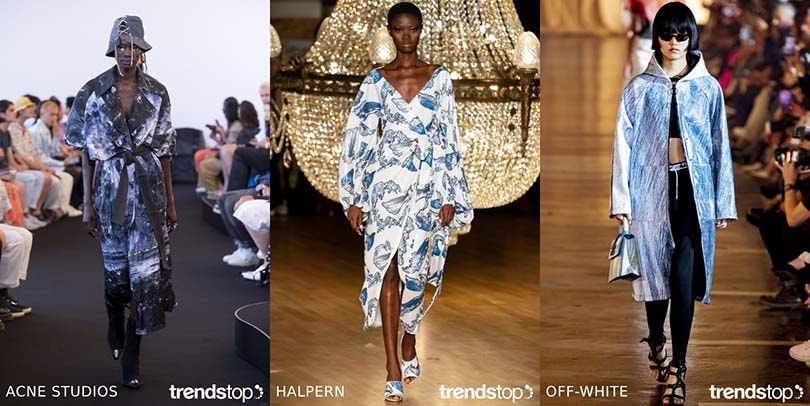
Tapping into the ongoing conversations around industry and sustainability and the environment, designers celebrated the awesome power and beauty of the world's oceans via bold, abstracted all-over prints in vivid sea blue tones. Painterly rendered photo prints of stormy seas, stylised wave illustrations and random cross-hatched effects reminiscent of rolling surf bring a cooling sensibility to both casual and dress categories.
Images courtesy of Trendstop, left to right: Acne Studios, Halpern, Off-White, all Spring Summer 2020.
Cultural Conversationals
Conversational prints look to art and culture for inspiration with references from Greek and Roman history and art movement illustrations. Two-tone line drawings put a contemporary twist on classical themes, emboldening ancient motifs with an animated quality. Randomised placements and all-over effects highlight artistic endeavors.
Images courtesy of Trendstop, left to right: Salvatore Ferragamo, Alexander McQueen, Baum und Pferdgarten, all Spring Summer 2020.
Exclusive Offer
FashionUnited readers can get free access to Trendstop's Fall Winter 2019-20 Key Print Directions, featuring all the must-have prints from the catwalks. Simply click here to receive your free report.
Trendstop.com is one of the world's leading trend forecasting agencies for fashion and creative professionals, renowned for its insightful trend analysis and forecasts. Clients include H&M, Primark, Forever 21, Zalando, Geox, Evisu, Hugo Boss, L'Oreal and MTV.
Third quarter sales at J. C. Penney Company, Inc. reported total net sales decrease of 10.1 percent to 2.38 billion dollars. JCPenney’s comparable store sales decreased 9.3 percent for the quarter. For the third quarter, the company’s net loss improved from 151 million dollars or 48 cents per share last year to 93 million dollars or 29 cents per share, this year. Adjusted net loss was 97 million dollars or 30 cents per share compared to 164 million dollars or 52 cents per share, last year.
“The past quarter was an exciting and energizing time at JCPenney as we made significant progress on our efforts to return JCPenney to sustainable, profitable growth,” said Jill Soltau, Chief Executive Officer of JCPenney in a statement, adding, “We are beginning to see results – both in our numbers and how we operate as a business.”
Updating its expectation for adjusted EBITDA, the company now expects it to exceed 475 million dollars for full year fiscal 2019. In addition, the company has also reaffirmed its prior financial guidance for full year fiscal of comparable store sales to drop in the range of 7 percent to 8 percent and adjusted comparable store sales, which excludes the impact of the company’s exit from major appliances and in-store furniture categories to decline the range of 5 percent to 6 percent.
Formed in the Hangzhou flat of co-founder
Jack Ma in 1999, Alibaba has ridden the seemingly insatiable Chinese appetite
for online shopping to become one of the world's most valuable companies.
On Friday, the US-listed company confirmed plans to add its value further,
but listing additional shares in Hong Kong in an offering worth around 13
billion US dollars.
Here are the answers to key questions about the company:
- How did the idea to create Alibaba come about? -
Ma, a former English teacher who claims to have never written a line of
computer code, had dabbled in various ventures with mixed success before
friends introduced him to the internet while on a 1990s trip to the United
States.
With Amazon already making waves in online shopping, Ma convinced a group
of Chinese and foreign friends to front 60,000 USD in 1999 for a
business-to-business e-commerce venture.
Ma dubbed it "Alibaba" because the name is easily pronounced in virtually
any language, including Chinese, and because the "open sesame" catchphrase
signified that its platforms "open a doorway to fortune for small businesses",
according to the company.
- Secrets behind the ever-expanding Alibaba's success? -
Alibaba was founded at a time when Chinese incomes were soaring after
decades of rapid economic growth and the country was becoming increasingly
digitalised.
That allowed Alibaba to easily facilitate commerce between consumers
increasingly hooked on the ease of online shopping, and the country's
countless manufacturers of cheap goods.
Today, China has the world's largest online population -- in excess of 850
million -- most of them smartphone users deeply immersed in the country's
growing digital ecosystem and e-commerce.
The business generated by Alibaba's own mobile monthly active users --
which reached 785 million in the most recent financial latest quarter --
propelled rapid growth, and in September 2014, the company listed on Wall
Street, raising 25 billion USD in what remains the largest IPO ever.
- What is Alibaba exactly? -
E-commerce remains the company's bread and butter, conducted mainly via its
largely consumer-to-consumer Taobao site and the more business-to-consumer
Tmall, and typically paid for via its digital-payments unit Alipay, which has
become a pioneer in that sector.
Through Alibaba's platforms, Chinese consumers can buy a wide array of
products from clothing to electronics, food, luxury products and even more
unusual goods -- including Boeing 747 cargo planes.
But Alibaba's success has seen it invest heavily in new business lines as
well.
It owns leading Chinese video streaming website Youku, and its Alibaba
Pictures unit in 2016 bought a stake in Steven Spielberg's Amblin Partners,
which owns DreamWorks Pictures, among other entertainment ventures.
It also is investing in cloud computing and other aspects of China's
growing digital ecosystem including the acquisition of Chinese food-delivery
leader Ele.me.
- What is the company's current size? -
Alibaba is now the most valuable public Chinese company, with a market
capitalisation of around 477 billion US dollars as of this week, and one of the top-10
most valuable in the world, though still trailing US e-commerce counterpart
Amazon, which is worth around 870 billion USD.
Alibaba now claims nearly 104,000 employees at its headquarters in Ma's
hometown of Hangzhou in China's eastern province of Zhejiang, but also around
China and overseas.
The company has in recent years taken steps to go global, primarily in
Southeast Asia where it runs the Lazada e-commerce platform.(AFP)
Otherworldly: Performance, Costume and Difference is opening at Parsons
School of Design's Arnold and Sheila Aronson Galleries at 66 Fifth Avenue.
The exhibition is curated by its faculty members Francesca Granata,
Associate Professor of Fashion Studies in the School of Art and Design
History and Theory and Charlene K. Lau, Andrew W. Mellon Post-Doctoral
Curatorial Fellow at Performa and Visiting Scholar at the Parsons School of
Design.
The artists in this exhibition construct their own worlds where they can
realize and negotiate non-normative identities. In this sense,
"world-making" is political and presents alternatives and possibilities for
new utopias.
Machine Dazzle is an artist known for his creation of elaborate costumes
(for genderqueer playwright and performer Taylor Mac, among others). He
crosses borders of design, music and performance on and off the stage. His
maximalist creations speak to notions of camp and drag queen culture to
create a new kind of surrealism.
Narcissister is an artist and performer who troubles fixed identities
while engaging her culturally and racially hybrid self through the use of
masks and elaborate costumes. Using grotesque humor, she challenges racial
and gender archetypes and stereotypes in her graphic performances.
Rammellzee was a prominent figure in the New York Street Art scene in
the 1980s alongside Basquiat and Keith Haring. The American artist is known
for his graffiti and mixed-media sculptures, as well as a pioneer of early
Hip Hop, recording Beat Bop with K-Rob in 1983.
The exhibition officially begins on November 15 with an opening
reception to take place on the evening of November 21 at L105 (2 West 13th
Street).
In his opening speech of the 35th IAF World Fashion Convention in Lahore (Pakistan), IAF President Han Bekke remarked that the event is held against the background of different disruptions in the apparel supply chain. “Apparel retail is in the grip of a radical transformation that we should not underestimate. The pace of change is sometimes faster than we think. There are many examples of European and US High Street retailers who have not been able to transform themselves in time. If retail changes, supply chains must change”, Bekke said.
“Manufacturers must understand what is being demanded by the end consumer (who is the only player in the supply chain who actually puts money into the system). The buyers only insert more money if they perceive more value. Better materials, more in line with fashion, more functionality, longer lasting, more sustainable, better story”, Bekke added. He advised apparel manufacturers to act proactively. They cannot wait until the buyers dictate the terms he said. Buyers must take responsibility and adjust their buying behavior so that manufacturers have a fair chance to comply with buyers demands and receive a fair price.
Talking about sustainability, the IAF President also indicated that buyers, consumers, NGOs, investors and governments are demanding for improvements in the sustainability of apparel products. He mentioned initiatives like the Copenhagen Fashion Agenda, the French Fashion Pact, the Agreement on Garments and Textiles in The Netherlands, the Textilbundnis in Germany, the Accord and Alliance on Bangladesh, that are in his view good examples of taking responsibility to improve. The IAF President pleaded though for more international coordination to be more effective. IAF will take the lead in trying to bring them together, he announced.
The IAF World Fashion Convention is held for the first time in Pakistan and organized with IAF member and co-host PRGMEA. The welcome dinner for all delegates was also attend by the President of Pakistan, Dr. Arif Alvi and his wife. Please find more information on: www.iafconventionlahore.com.
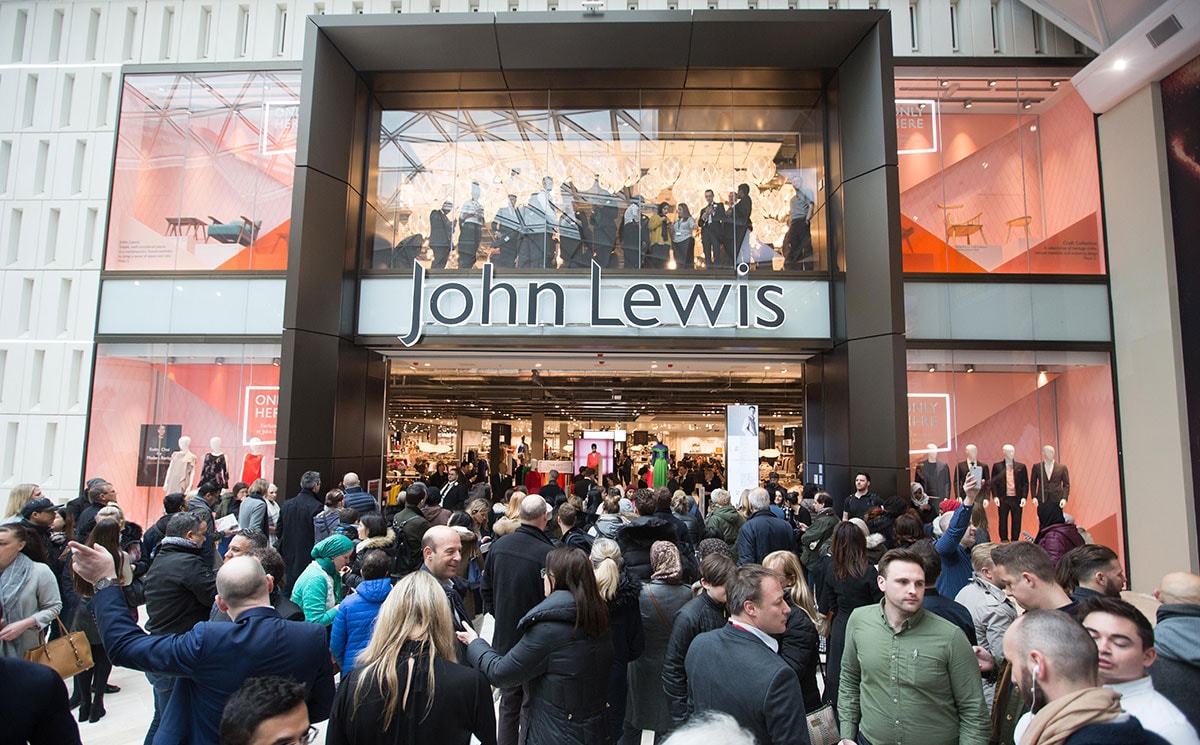
Total sales at John Lewis, for the week to November 9, 2019, were down 2.3 percent on the same week last year but the company said in a statement that customers enjoyed shopping promotions across lighting, fashion and beauty. Fashion sales for the week were up 2.4 percent, while beauty, wellbeing & leisure sales were up 11.6 percent as the company price matched competitor promotions across these categories.
Last week, John Lewis launched its 12 days of Christmas dresses, which was the company’s best performing category in womenswear, with the Hush dress proving particularly popular with customers.
The company said, home sales were down 3.1 percent, however, lighting sales were up 21 percent as customers prepared their homes for winter evenings and shopped promotions in this area. Electrical and home technology sales were down 7percent, while sales of small electrical sales were up 30 percent on the same week last year.
We don’t know about you, but we at FashionUnited get pretty excited
every month when we compile the sustainability efforts and see the list
growing and more and more fashion companies jumping on the bandwagon. In
October, it was refreshing to see that recycling initiatives are on the
rise among brands and retailers, with proceeds being donated to charity.
Also, clothing rentals are catching on and reducing, reusing and recycling
when it comes to packaging. FashionUnited has put together 14 such efforts
that were announced in the month of October alone.
The Fashion Pact met for its first working meeting in October after 32
brands originally joined the coalition for a more sustainable fashion
industry in August. Comprised of a diverse group of fashion and textile
companies, the Fashion Pact is a pledge to work towards sustainable goals
in climate, biodiversity and oceans. The coalition announced 24 new
signatories following its recent meeting, bringing its total signatory
count to 56 and number of brands involved to around 250. New companies to
the Fashion Pact include Bally, Calzedonia Group, Farfetch, Figaret, Gant,
Mango and The Visuality Corporation.
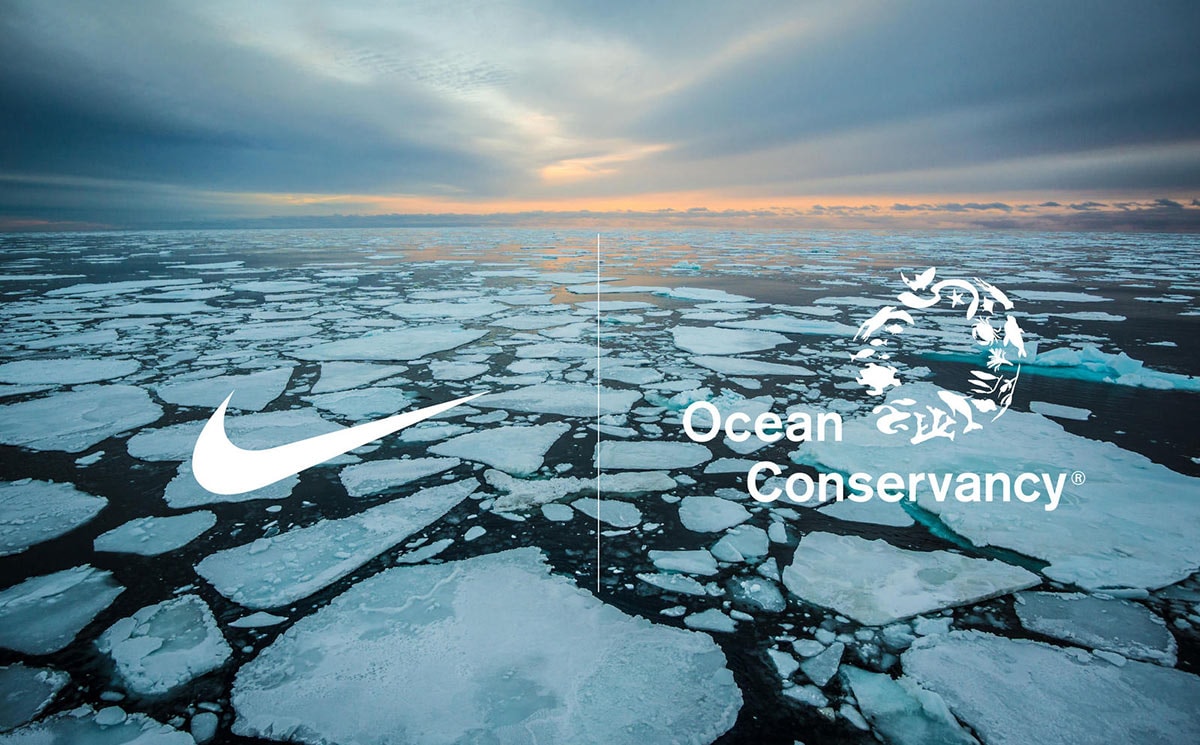
Nike has teamed up with nonprofit environmental advocacy group Ocean
Conservancy to launch a new campaign against Arctic shipping routes. The US
sportswear giant has launched the Arctic Shipping Corporate Pledge,
encouraging other businesses and industries to avoid travelling through the
Arctic’s shipping routes, an area that is becoming increasingly accessible
as climate change causes its ice to melt. Sending vessels through the route
poses an environmental risk to one of the world’s most fragile regions,
with temperatures rising in the Arctic at twice the rate of the rest of the
planet.
US clothing retailer Everlane is bringing sustainability to the inside
of its clothing. The brand has launched its new Re:Down line of outerwear
made with cruelty-free recycled fill. Typically, down filling in jackets is
made using cruel living-plucking practices, as Everlane explained on its
website. Its Re:Down fill is made from 100 percent recycled down comforters
and pillows. Similarly, all of the jackets in the Re:Down line features 100
percent recycled shell fabric, using post-consumer recycled plastic as with
its ReNew line.
New Zealand fashion brand Karen Walker has announced a new collaboration
with Outland Denim. The women's ready-to-wear label and sustainable denim
brand have partnered on a limited-edition collection of six pieces that
take a new take on signature Karen Walker styles. These styles are all
crafted from off-white denim that is made from organic cotton, staying true
to Outland Denim's commitment to using only sustainably-produced cotton.
H&M is launching its first clothing rental service at its newly
refurbished Sergels Torg store in Stockholm, Sweden. Members of H&M’s
loyalty programme will be able to rent selected party dresses and skirts
from its 2012-2019 Conscious Exclusives collection - the sustainable arm of
the Swedish fast-fashion giant. The rental space will also offer a
selection of unique pieces designed with inspiration from this autumn's
Conscious Exclusive collection, all made from more sustainable materials.
British high-end department store chain John Lewis & Partners has
launched a pilot at its Oxford store to encourage shoppers to reduce, reuse
and return packaging. The pilot, which John Lewis said will potentially
save thousands of tonnes of plastic from going to landfill, will focus on
eight ways the retailer and its customers can reduce their impact on the
planet, and will act as a blueprint to be expanded to other stores.
Online fashion giant Zalando has committed to a net-zero carbon
footprint across its own operations, deliveries and returns. The German
retailer announced a number of initiatives at the end of October as part of
a new “do.More” sustainability strategy, including meeting the goals of the
Paris climate agreement for its own operations ahead of the agreement’s
schedule, repositioning its private Zign label as a “sustainable” brand,
and aiming to be single-use plastic-free in its own packaging by 2023. In
2019, the company switched to over 90 percent renewable energy across all
locations. Carbon emissions that are not eliminated by operational
improvements such as renewable energy, order bundling or green delivery
options, are now being offset.
British luxury online retailer Farfetch has teamed up with on-demand
donation service Thrift+ to allow its customers to earn money and donate to
a charity of their choice by giving away clothes they no longer use. Once
an item is sold, a third of the proceeds are donated to a charity of the
customer’s choice, a third is given to the customer as Farfetch credit, and
a third is used to cover Thrift+’s costs. Customers are also given the
choice to forgo Farfetch credit and send that third of the money to their
chosen charity, too.
The Lyocell market is expected to grow globally at a substantial rate of
over 7 percent by 2023. According to an announcement by Radiant Insights
Inc., sustainable fiber, which is made from bleached wood pulp, will be
used in more products including rope, bandages, and more—including
clothing. According to the report, factors like the rapid and continuous
changes in fashion trends have contributed to the lyocell fiber market’s
growth, along with development in technology, increase in demand for
biodegradable fibers, and awareness.
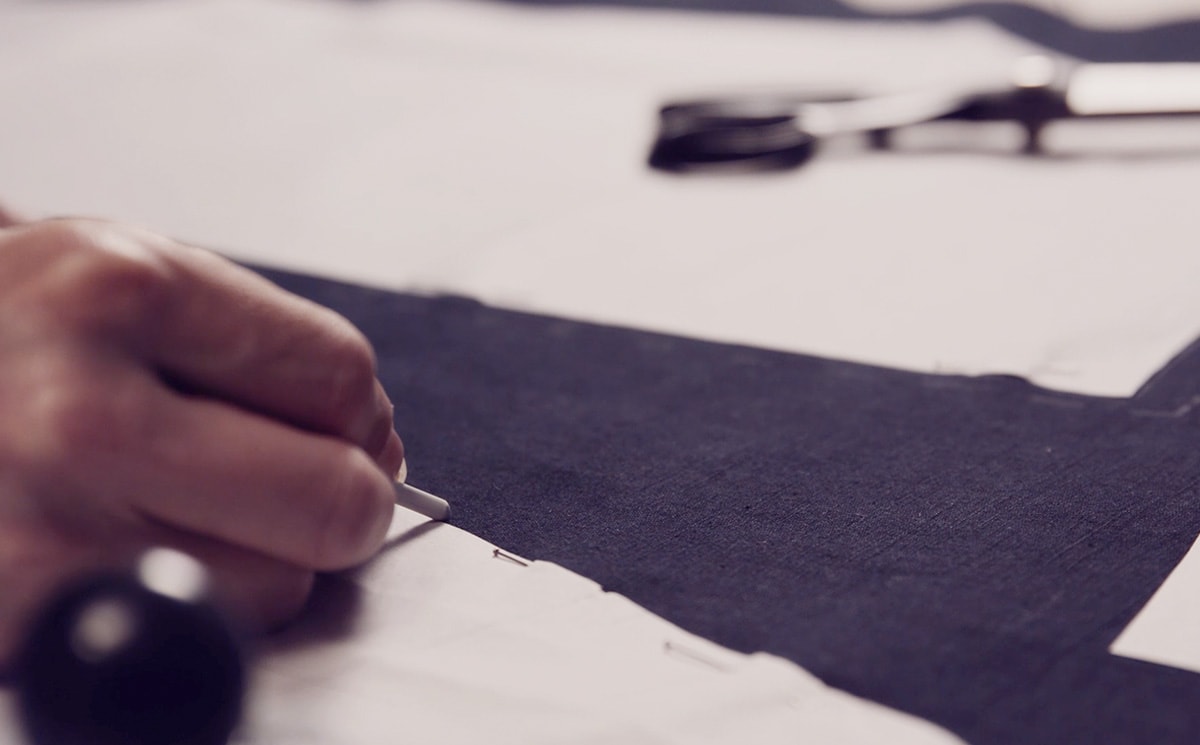
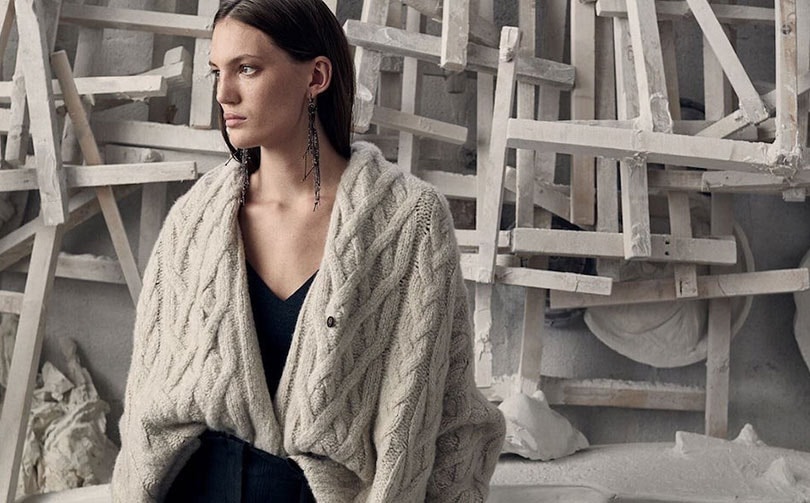
Net revenues at Brunello Cucinelli, for the first nine months of 2019 totalled 459.2 million euros (507 million dollars), a rise of 8.8 percent at current exchange and 7.7 percent at constant exchange rates compared to last year.
Commenting on the preliminary update, Brunello Cucinelli, the company’s Chairman and CEO, said in a statement: “We have nearly reached the end of 2019, an excellent year for our business in terms of both results and image. The fall/winter sell-out rate was very good, and our brand seems to be enjoying much appreciation. Based on these results, we can already envisage the year closing with a good revenue growth of around 9 percent coupled with a healthy profitability rise”.
Highlights of Brunello Cucinelli’s performance
Italian market revenues at 76.1 million euros (84 million dollars) increased 2.2 percent, while European market posted a growth of 9.6 percent, with sales of 139.5 million euros (154 million dollars). Sales in the North American market increased 9.2 percent, with revenues of 148.2 million euros (163.7 million dollars). Sales in China grew 14.4 percent, with sales of 43.5 million dollars, while Rest of the World revenues increased 11.3 percent to 51.9 million euros (57.3 million dollars).
Sales of retail monobrand channel increased 11.2 percent to 229.2 million euros (253 million dollars). The company said, first nine months of 2019 posted a positive like-for-like trend, supported by the solid sell-outs of the spring/summer and fall/winter collections. There were 103 boutiques in the network at September 30, 2019, compared to 100 in the same month end last year, with three openings taking place during the year.
Wholesale monobrand channel sale grew by 3.2 percent, with revenues reaching 25 million euros (27.6 million dollars). The network consisted of 29 boutiques at September 30, 2019 compared to 27 last year. Wholesale multibrand channel posted an increase of 6.9 percent, with sales reaching 205 million euros (226.4 million dollars).
American luxury brand St. John, which was founded in 1962 and has become
known for streamlined knitwear has relaunched with a social media-driven
state of mind. The company’s full rebranding was led by its newly appointed
creative director, Zoe Turner. According to an announcement from the brand,
Turner will lead all creative endeavors at the brand “starting with its
codes and icons and melding them with her fresh approach to product, visual
and store design.”
St. John’s new image begins with a redesigned logo, indicating that the
brand has officially entered into a new era. To echo this idea, the
knitwear label is relaunching with a limited-edition collection. Created by
Turner and her team, the capsule includes 20 head-to-toe knitwear looks for
the modern woman.
Items in Turner’s capsule collection feature iconic silhouettes
reimagined, as well as modern details including graphic geometric prints,
metal hardware, and updated proportions.
“The capsule was inspired by the icons of St. John, represented in 20
unique looks that capture the spirit of the house through colour, print,
silhouette and craft,” Turner shared in a statement. “This will act as a
foundation to build our new story.”
St. Johns’ relaunch showcases its capsule collection with a
digitally-native campaign, focusing on social media.
With St. John’s new campaign approach, consumers can experience new
collection exclusively online and on Instagram in the U.S. and on WeChat in
China.
“We’re excited to introduce Zoe and her vision with this limited-edition
capsule collection, and to spark the conversation around beautiful fashion
through the digitally-led campaign. These new initiatives will speak to a
larger audience, including our existing clients, about who we are and what
we represent: a blend of modernity and history,” St. John’s chief executive
officer Eran Cohen said in a statement.









 Net revenues at Brunello Cucinelli, for the first nine months of 2019 totalled 459.2 million euros (507 million dollars), a rise of 8.8 percent at current exchange and 7.7 percent at constant exchange rates compared to last year.