Saturday, September 7, 2019

Net-A-Porter expands personal shopping within Luxury Division

Yoox Net-A-Porter Group will be doubling up on personal shopping and client relations within its Luxury Division. The company, which owns Net-A-Porter and Mr Porter, announced that it will be hiring more than 100 new personal shoppers and client relations managers to tend to its most loyal customers, who the company refers to as Extremely Important People (EIP). According to the announcement, this is the largest client relations recruitment the company has done in its 19-year history.
In addition to expanding its Luxury Division’s client relations services, Yoox Net-A-Porter Group will also be opening Personal Shopping and Client Relations hubs in San Francisco and Dallas, which were recognized for “their growing customer base and increasing levels of demand for the enhanced service.”
“The role of personal shopper has evolved hugely in recent years and today our team fulfills a variety of different roles. Not only do they anticipate our customers’ ever-changing luxury needs and solve their wardrobe dilemmas before they even arise, they become part of their daily lives,” said Alison Loehnis, Yoox Net-A-Porter’s president of the Luxury Division, in a statement. “Local knowledge and an understanding of lifestyle has never been more important. We’re therefore delighted to be expanding the team in terms of scale as well as introducing new locations, to give even more of our most engaged and loyal customers around the world access to this fantastic market-leading service.”


* This article was originally published here

Friday, September 6, 2019

Fall Winter 2020-21 Key Women's Theme Direction

Fall Winter 2020-21 Key Women's Theme Direction
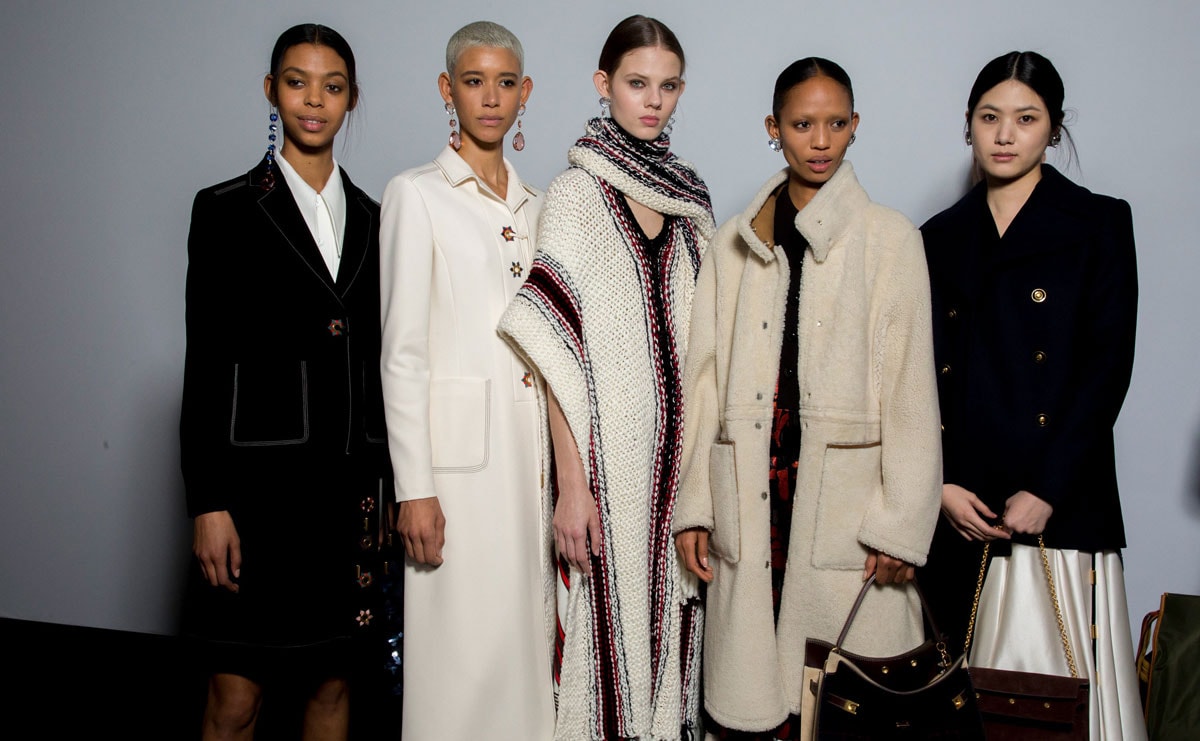
Trendstop brings FashionUnited readers an early preview of one of the key thematic influences for Fall Winter 2020-21 womenswear.
The Trendstop team give FashionUnited readers an exclusive look at an essential FW20-21 Macro Theme that will be inspiring your next women's ready-to-wear collections. Global Heritage taps into the growing consumer desire for authentic experiences and adventure travel, offering an outward looking vision that celebrates world cultures and puts a contemporary spin on artisanal traditions that can be applied across apparel, footwear and accessories categories. Our curated seasonal Macro Themes evaluate each trend's commercial value and longevity, giving you the best possible basis for your decision making.
This week Trendstop present three aspects of Global Heritage. A multi-destination approach sees a fusion of cultural aesthetics applied to fashion product. Modern updates of traditional processes elevate print and surface treatments while textural handles create dimensional interest.

Apparel

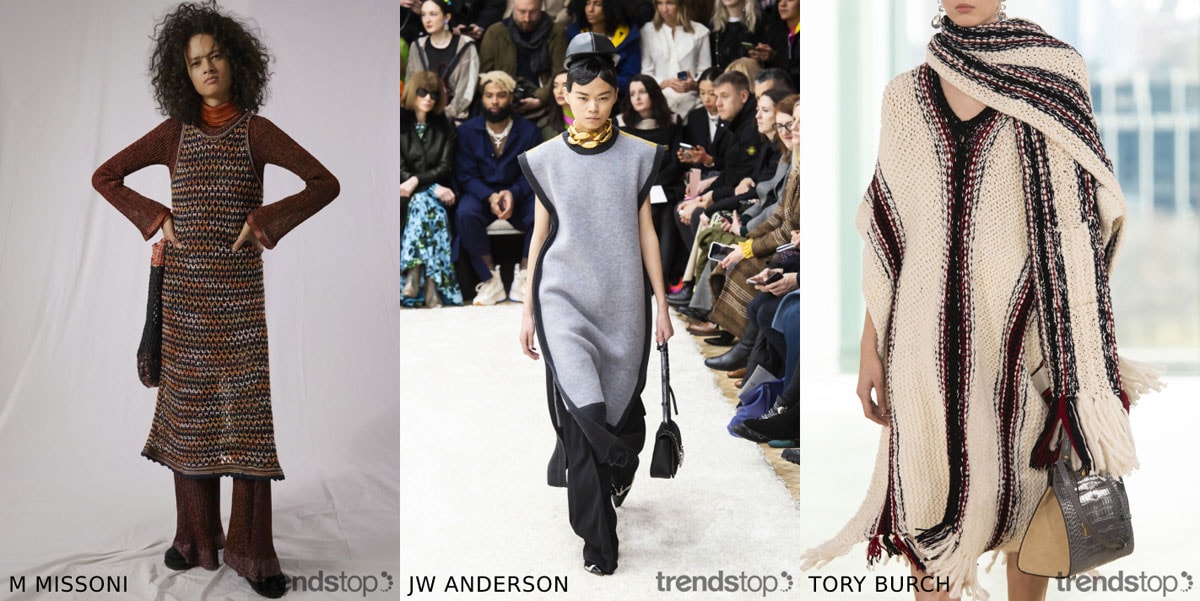
Hand crafted knits introduce the artisanal effect to apparel via rustic, open weaves, expressive statement fringing and bold patterning that mix and match a variety of global influences. Long lines and layering are key with maxi lengths and elongating, tunic-style co-ords creating a relaxed wanderer vibe.

Fall Winter 2020-21 Key Women's Theme Direction
Images courtesy of Trendstop, left to right: M Missoni Pre Fall 2019, JW Anderson Fall Winter 2019-20, Tory Burch Fall Winter 2019-20.

Print & Materials

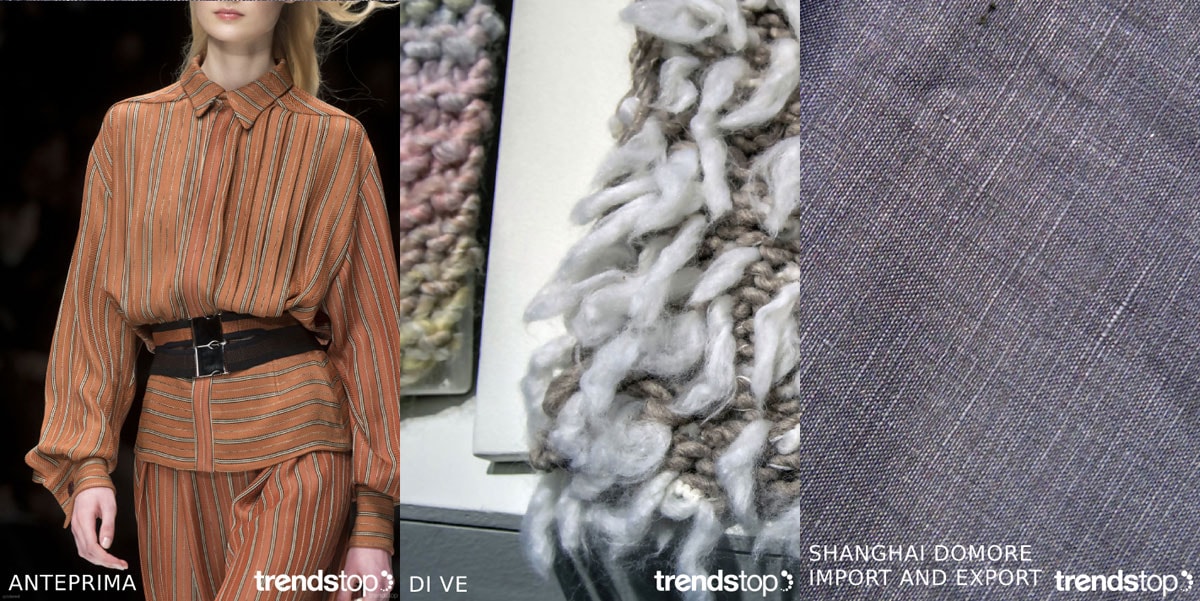
The classic stripe reflects the global perspective, referencing traditional weaving techniques and introducing a crafted quality to heavy weight materials while etched surfaces lend a linen-look rusticity to raw indigo denims. Undone yarns and fringed effects bring a softly deconstructed look to hand knits.

Fall Winter 2020-21 Key Women's Theme Direction
Images courtesy of Trendstop, left to right: Anteprima, Di Ve, Shanghai Domore Import & Export, all Fall Winter 2019-20.

Footwear & Accessories

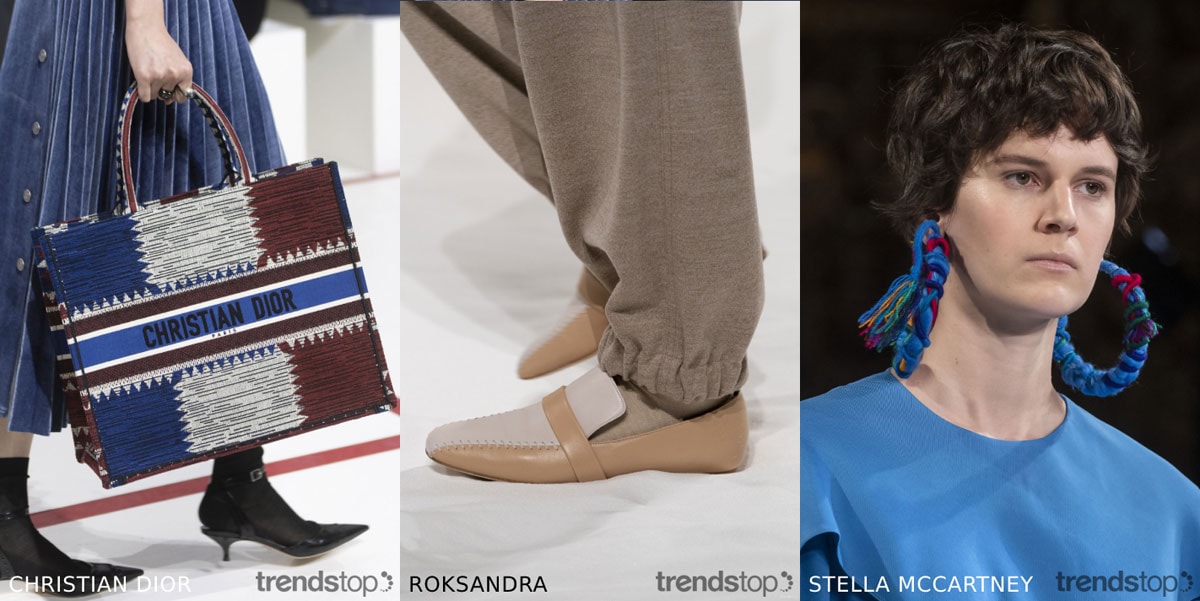
Authentic craftsmanship comes to the fore as footwear and accessories reference global making techniques. Woven constructions, whip-stitched leather worked uppers and DIY yarn-wrapped pieces bring a uniquely personal quality and a youthful appeal to statement products.

Fall Winter 2020-21 Key Women's Theme Direction
Images courtesy of Trendstop, left to right: Christian Dior, Roksanda, Stella McCartney, all Fall Winter 2019-20

Exclusive Offer

FashionUnited readers can get free access to Trendstop's Fall Winter 2019-20 Key Themes Directions report, featuring all the essential catwalk themes for the season. Simply click here to receive your free report.
Fall Winter 2020-21 Key Women's Theme Direction
Trendstop.com is one of the world's leading trend forecasting agencies for fashion and creative professionals, renowned for its insightful trend analysis and forecasts. Clients include H&M, Primark, Forever 21, Zalando, Geox, Evisu, Hugo Boss, L'Oreal and MTV.


* This article was originally published here

Thursday, September 5, 2019

Lenzing presents new blockchain technology in Hong Kong

The Lenzing Group has made a huge leap forward in introducing blockchain technology, allowing for a new level of transparency and traceability in the textile industry. After joining the platform of the technology company TextileGenesis(TM) earlier this year, the world market leader in specialty fibers made from the renewable raw material wood presented the first pilot at this year's Fashion Summit in Hong Kong on September 05, 2019. This pioneering pilot project was conducted in close cooperation with TextileGenesis(TM), WWF and Hong Kong based brand Chicks.
A baseline survey on EU consumer attitudes to sustainability and supply chain transparency in the fashion industry conducted by Ipsos MORI in October 2018 shows that a large majority of consumers (80 %) wants brands to disclose their supply chain. The blockchain technology enables brands and consumers to identify TENCEL(TM) branded fibers across each production and distribution step from fiber-to-retail of the finished garment or home textiles. The technology also allows consumers to verify the garment composition and the underlying textile supply chain at the point of sale, simply by scanning the barcode with a mobile device.
"Together with TextileGenesis(TM) we pursue the ambitious goal to achieve an unparalleled level of transparency for fashion brands and consumers. We will use blockchain technology to maximize the digital traceability of fibers, thus making an important contribution to green up the fashion industry", says Stefan Doboczky, Chief Executive Officer of the Lenzing Group. "This strong belief in and commitment to sustainability will support the business with TENCEL(TM) fibers."
In an industry's first, Lenzing issued blockchain based TENCEL(TM) fibercoins to its supply chain partners in direct relation to physical shipments. These digital tokens serve as an authentication mechanism, against any adulteration, and provides secure digital chain-of-custody across the entire textile value chain. Recognizing that data integrity and ease of use are critical, the supply chain players conducted transactions through the data upload mechanism on the platform. To ensure real-world complexity, a total of 49 distinct garment stock- keeping unit (~25000 pieces), of Chicks, were tracked on the digital platform from fibers up to retail.
"This is an important milestone for the apparel industry. Our focus is to drive meaningful step-change in an industry where less than 5 percent of top 250 apparel brands can track their garments back to the fiber origin", says Amit Gautam, CEO & Founder of TextileGenesis(TM).
Lenzing is carrying out further pilot tests over the next few months involving partners along the entire value chain and expects the platform to be fully operational as of 2020.(DPA)


* This article was originally published here

100 Hot Girls Beby & Baba Dresses in USA

Poland Dresses - Brand Tuszyte


100 Hot Girls Beby Dresses in Poland

Colorful short-sleeved dress made of high quality cotton decorated with Oeko-Tex Standard 100 certificate. Trustworthy textiles.Model with a round neckline and a flared bottom.Impressive sleeves have been finished with wide frills.

Producer :
Lalabubu
Color :
multicolour
Material :
95% cotton, 5% elastane
Certificate :
Oeko-Tex Standard 100 Trustworthy textiles
Country :


Visit The Brand Website in Poland


Visit The Brand Website in Poland

Visit The Brand Website in Poland


Visit The Brand Website in Poland


Visit The Brand Website in Poland


Visit The Brand Website in Poland


Wednesday, September 4, 2019

Will casting diversity rule the SS20 fashion weeks?


European fashion designers have often been accused of conservative casting practices, favouring young Caucasian models in their campaigns and on their catwalks.
When official figures from the Runway Diversity Report by The Fashion Spot were released in March, New York proved to the most racially diverse of all the main fashion weeks, with nearly half of all models cast, 45.8 percent were of colour.
London, a champion of directional fashion, lacks catwalk diversity
In London, fashion week saw a decrease in racial diversity where non-white models made up 35.7 percent of runways castings. Milan saw an increase of 1.0 percent to 31.8 percent models of colour. Paris fashion week came in second place as the most racially diverse, casting a total of 39 percent models of colour, the largest increase of all fashion weeks of 6.6 percent.
According to the European shows that were examined in the report, only six featured size diversity. For Fall 2019, Paris, which had one non-straight-size model appearance in Spring 2019 and only three the season prior, had the most castings in this category of any European city (nine, an all-time high). Tommy Hilfiger’s show cast featured 7 plus-size models. The London catwalks featured the most plus-size castings (four, a record for the city) than any other European city. Two plus-size models — Daniel Lismore and Emma Breschi — walked at Vivienne Westwood.
In Milan there was not a single plus-size model seen on the official catwalk schedule.
In Spring 2019, casting of models who openly identify as transgender or non-binary reached an all-time high with 91 (1.23 percent) models in either category (83 trans women, eight non-binary models) walking in a total of 52 shows.
By contrast, Fall 2019 marks the first time that the number of trans and non-binary castings has shrunk. Only 56 (0.77 percent) openly transgender women and non-binary models walked in all of fashion month.
In terms of age diversity, London fell to the bottom of the pile with five over-50 castings: three at Vivienne Westwood, two at Simone Rocha — both longtime advocates for older model visibility.
In Milan, which last season had the most over-50 model appearances of any city outside of New York — and the most in its history — only six models age 50 or over walked the runway. That is three less than in Spring 2019, but considerably better than Fall 2018’s two. Donatella Versace and Daniela Gregis continued their practice of hiring over-50 models (Stephanie Seymour and Benedetta Barzini, respectively). Pat Cleveland, the season’s most-booked over-50 model, walked at Laura Biagiotti.
Of the 221 shows surveyed last season, Milan’s Daniela Gregis featured zero models of colour.
Image: courtesy of Fashion Scout

* This article was originally published here

Tuesday, September 3, 2019

Zara accused of coalition with Hong Kong demonstrators


While the city of Hong Kong hopes to celebrate with optimism the next edition of the Centrestage fashion event, the riots hanging over the region for 13 weeks have placed the Spanish Zara in the center of all eyes. After the harsh protests of this weekend and the day of student strikes last Monday.
It all began after the Hong Kong newspaper Ming Pao asked through a headline whether Monday's closure of four of Zara's stores in central Hong Kong responded to a demonstration of support for the protests and the day of strike called by different student organizations. A question that was quickly reproduced by Chinese media and users of social networks like Weibo. Under the hashtag "Zara statement" they invited the Spanish company, the main firm of the giant Inditex, to pronounce itself-at the same time they turned the mentioned hashtag into one of the most popular topics of the Chinese network, with more than 170 million interactions.
Finally, and in a very unusual movement within the Spanish company, Zara was pushed to issue a statement through the Weibo network itself, in which it claimed to support the policy of "one country, two systems" under which China currently governs Hong Kong. As well as "never" having been related to the protests, nor having made any statement about the demonstrations and strikes.

The Cause: Employee Mobility Problems

Sources close to the Spanish group would have assured, as reported by media such as Reuters, that some Zara stores in Hong Kong had been forced to delay the opening of establishments last Monday. Because of the problems of mobility and public transport that their employees would have suffered as a result of the protests. But all Zara stores in the region finally opened their doors that day.
This is not the first time the Beijing government has used social networks and the media to pressure its people against certain international firms and groups. A measure by which it seeks a public declaration of support for its sovereignty over the Hong Kong region.
Just a few weeks ago, firms and groups such as Versace, Givenchy and Coach were accused of violating China's territorial sovereignty because of T-shirts that included Taiwan. Another territory of the regions claimed by Beijing that is not an independent country from China. This fact also splashed over Zara last year, after the territory appeared independently in a country drop-down on its China website.
Inditex currently has 31 stores in Hong Kong, 14 Zara stores, 6 Pull&Bear, 5 Bershka, 2 Massimo Dutti, 2 Oysho stores and 2 Zara Home stores. Meanwhile, in mainland China, the Spanish group has 580 stores, of which 178 are from its Zara chain, 88 from Oysho, 87 from Massimo Dutti, 67 from Pull&Bear, 85 from Bershka, 44 from Stradivarius, 1 store from Uterqüe and 50 Zara Home stores.
This article was originally written for FashionUnited.ES, edited and translated.
Photos: Inditex, official Facebook page


* This article was originally published here

Monday, September 2, 2019

Preview: What to expect for the spring / summer 2020 fashion weeks


INTERACTIVE The new ready-to-wear catwalk season is upon us with New York Fashion Week kicking off the spring / summer 2020 collection presentations a few days from now. After New York the fashion circus will move to London Fashion Week, then Milan Fashion Week and finish up early october with Paris Fashion Week. FashionUnited has compiled a comprehensive overview of the most highly anticipated shows and presentations coming up.

Scroll down to navigate through the interactive map

Hit the button
'Start Exploring' and use the arrows to explore the map
Photo: Burberry SS19, Credit: © Catwalkpictures.com


* This article was originally published here

Sunday, September 1, 2019

Fashion goes fur free: is France falling behind the times?


Faced with increasing opposition to fur from the general public, more and more brands are withdrawing it from their collections, the most recent of these being Olivier Rousteing, artistic director at Balmain, who announced the brand was scrapping the animal product. But has France fallen behind its European neighbours on the subject?
According to a survey carried out in February 2019 by European research firm IFOP (Institut français d'opinion publique), 91 percent of French people said they were against selling fur. While fur it is still considered by many as being warm, luxurious and one of the most durable materials on earth, on the catwalk the question appears to be reaching a point of no-return with the withdrawal of fur from increasingly more collections.

The non-fur movement in the fashion industry

In particular, this new commitment for the fashion world echoes the increasing opposition by the general public to fur and to the cruel practices from which it often comes: the capture and gassing, electrocution or clubbing to death of animals on breeding farms. Some animals are also killed using metal clamp traps - a method that Canada Goose has been accused of using to trap coyotes for their fur used to embellish the collars of the parka coats of the Canada Goose brand. Many animals killed in this way day slowly of blood loss.
The Federal Trade Commission (FTC) of the United States recently told the association People for the Ethical Treatment of Animals (PETA) in the United States that, further to a complaint by the association relating to the advertising practices of Canada Goose, the latter had ceased to claim that its standards “ensure” that its suppliers do not mistreat the animals. At the heart of the design process, traceability is in fact not always possible.
Shocking images and videos, petitions, demonstrations by PETA, have been like electric shocks that for around three years have created a tidal wave movement in favour of the protection of animals in the fashion industry. As a result, Burberry, Chanel, Gucci, Versace, Maison Margela, Giorgio Armani among others, have all stated that they have stopped using fur.

A further addition to this long list is Olivier Rousteing, artistic director of Balmain, who recently announced in Vogue that the brand had put an end to the use of animal fur in its collections. “I took this decision about eighteen months ago. I had seen so many documentaries and reached a point at which I could no longer pretend that I did not know,” Rousteing said in a statement. “Now, suppliers are trying to ensure that false fur resembles real fur, and it’s crazy what they can create.”

French brands struggle to give up fur

In France, however, there are still very few big luxury brands that have taken a position on the subject. Synonymous with luxury, know-how and craftsmanship, in Paris fur still had a strong presence on catwalks in the Autumn-Winter 2019 collections. The following brands used fur:
Chanel, Dior, Guy Laroche, Hermès, Isabel Marant, Lanvin, Leonard Paris, Louis Vuitton and Saint Laurent (according to the list released by the Centre National d’Information sur la Fourrure, the National Centre for Information on Fur).
With regard to animals being bred for their fur, no real figures seem to be available. “In France, there are a dozen mink-breeding farms as well as 25 rabbit fur breeding farms,” said PETA France. According to the Fourrure Française (French fur) website, certain furs, such as rabbit or lamb, come directly from animals that are consumed for their meat.

The powerful voice of French luxury fashion

Aimed at the luxury industry and supported by high fashion houses in France, the French fur sector is still important and has earned “300 million euros in revenue, a figure that remains stable,” according to Pierre-Philippe Frieh, spokesman for the Fédération Française des Métiers de la Fourrure (FFMF, French Federation for the Fur Profession), contacted by BFMTV.com in April 2019. “Exports alone represent 100 million euros, a figure that has been constantly increasing for 5 years,” he added. Although France is not a large producer of fur in the global scene, it nevertheless remains a leading light in the luxury world.
And what if the country, following the example of Austria, Belgium, Croatia, Bosnia-Herzegovina, Luxembourg, the Netherlands, the Republic of Macedonia, the United Kingdom, Switzerland, Serbia and Slovenia, ended the production of fur? The message to the fashion world would certainly have an impact.
There still remains the matter of false fur. Is it a sustainable alternative? Produced from petrochemicals, it is still a big pollutant and is already posing some serious problems relating to biodegradability. And what if the wearing of fur in any form whatsoever was simply banned?
This article was originally published on FashionUnited.FR. Translated and edited by Huw Hughes.
Photos: Lanvin Silhouette, AH Collection 2019 (website) - "Wearefur" communication campaign, Fur Now 2019.


* This article was originally published here

Saturday, August 31, 2019

Reformation launches international online store

Los Angeles-based sustainable fashion brand Reformation is going global. The brand, which has become known for its conscious, made-in-Los Angeles clothing has partnered with Global-e, a company that provides international e-commerce services to various and retailers around the world, to open up its brand to international consumers.
Launching on Tuesday, September 3, will expand its global presence through e-commerce to international markets. Using Global-e’s technology, Reformation will be able to provide “a seamless, localized online shopping experience to customers” in over 200 destinations worldwide. The brand will also be able to provide shopping experiences adjusted to local market characteristics and preferences based on the consumers’ preferences.
“The U.S. is the most popular destination for shoppers worldwide seeking branded goods which provides a huge opportunity for American retailers to grow internationally and increase their revenues,” said Matthew Merrilees, Global-e’s chief executive officer of North America, in a statement. “Reformation prioritizes a seamless customer experience and continues to innovate on it to reach more fans of the brand around the world.”


* This article was originally published here

Friday, August 30, 2019

Vegan fashion: the latest, the greatest and what else to know


Vegan fashion - once snickered at as a short-lived fad at best - is now becoming fashionable, if not mainstream and even luxury brands are catching on and increasingly make do without fur, angora, mohair, exotic skins and even leather, wool and silk. Mainstream labels are setting examples, for instance Amsterdam-based denim brand Kings of Indigo is now a 100 percent vegan brand; luxury fashion brand Stella McCartney has always been vegan and pioneers like Loomstate, Planet Guests, Doshi and others are pushing boundaries when it comes to new standards in fashion. FashionUnited has taken a look at recent alternatives embraced by brands going fully or partly vegan.

Vegan brands

Vegan products are defined by PETA as being “clothes, shoes and accessories that contain no leather, fur, wool, skin, exotic skins or any other animal-derived fabric.” “Veganism as a lifestyle choice is more popular than ever and with ever-rising cruelty-free product demand, retailers, beauty brands and designers are raising their game to meet the animal-free market needs,“ finds the animal rights organisation.
Vegan handbag brand Gunas to launch beauty line


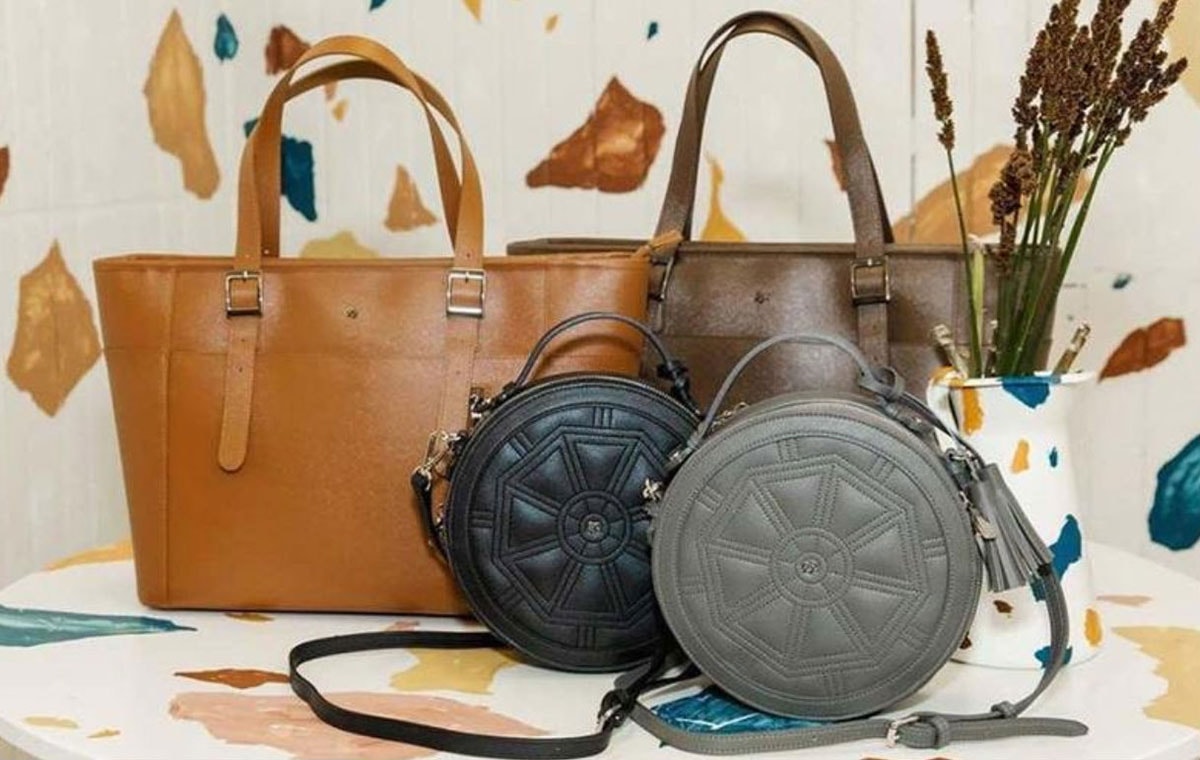
American vegan handbag company Gunas is known for creating cruelty-free handbags which are hand-crafted in South Korea, in sweatshop-free facilities. The brand announced the launching of a beauty line to produce 100 percent plant-based animal-free artisanal beauty bars, starting with pure olive oil soap in floral fragrances and volcanic ash.
Read more...

Aldo and Call it Spring to eliminate single use shopping bags


The Canadian retailer of men’s and women’s shoes, Call It Spring, has become fully vegan by removing all animal materials from its entire product range. In keeping with its commitment to a greener future, Canadian Aldo Group, the first fashion footwear and accessories company in the world to be certified climate neutral, along with Call It Spring announced the bag-free initiative to phase out all single-use shopping bags from corporate stores globally.
Read more...

Brands with vegan selections

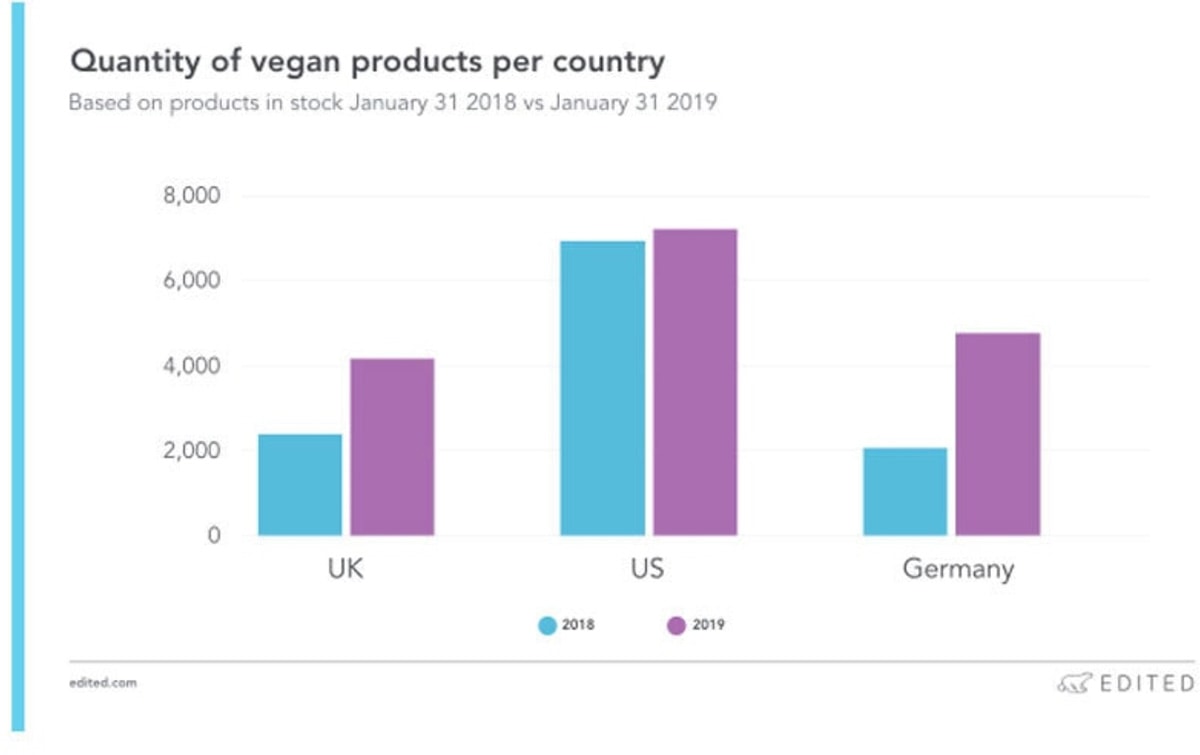
Currently, countries like the US, UK, Germany and France are investing the most in the vegan market. According to London-based retail technology company Edited, by the end of January 2019, there was a 75 percent increase in products described as ‘vegan’ in the UK, 11 percent in the US, 12 percent in France, and a staggering 320 percent in Denmark. No wonder then that the beauty and footwear and also the fashion industry are increasingly putting their efforts into vegan products.
New Look launches range of vegan shoes and bags


British fashion giant New Look becomes the first high-street fashion retailer to register products with The Vegan Society’s Vegan Trademark. New Look’s registered products are free of animal-derived components, including any that might be found in fabrics, threads, glues, dyes and treatments, also the manufacturing process for the products and their materials are free of animal testing.
Read more...

In pictures: Topshop launches its first vegan shoe collection


As the popularity of cruelty-free fashion continues to skyrocket, Topshop has joined the trend and launched its inaugural vegan shoe collection. Handmade in Spain, the PETA-approved vegan footwear collection comprises of six styles and features a neutral palette of snakes, croc, nude, toffee, orange, black and white across 12 options. In addition to the vegan footwear, items will be packaged in boxes assembled using 100 percent non-animal and non-fish glue.
Read more...

Po-Zu announces first 100 percent vegan footwear collection


London-based ethical footwear brand, Po-Zu, announced its first 100 percent vegan AW19 mainline collection. The new range, includes sneakers, cork runners, flats and traditional walking and winter boots with a modern twist, it is made from ‘Apple Skin’ - vegan leather derived from the apple juice industry and grown in the Italian Alps - coconut husks, cork, rubberised cotton and pineapple leaves.
Read more...

Vivobarefoot launches plant-based shoe
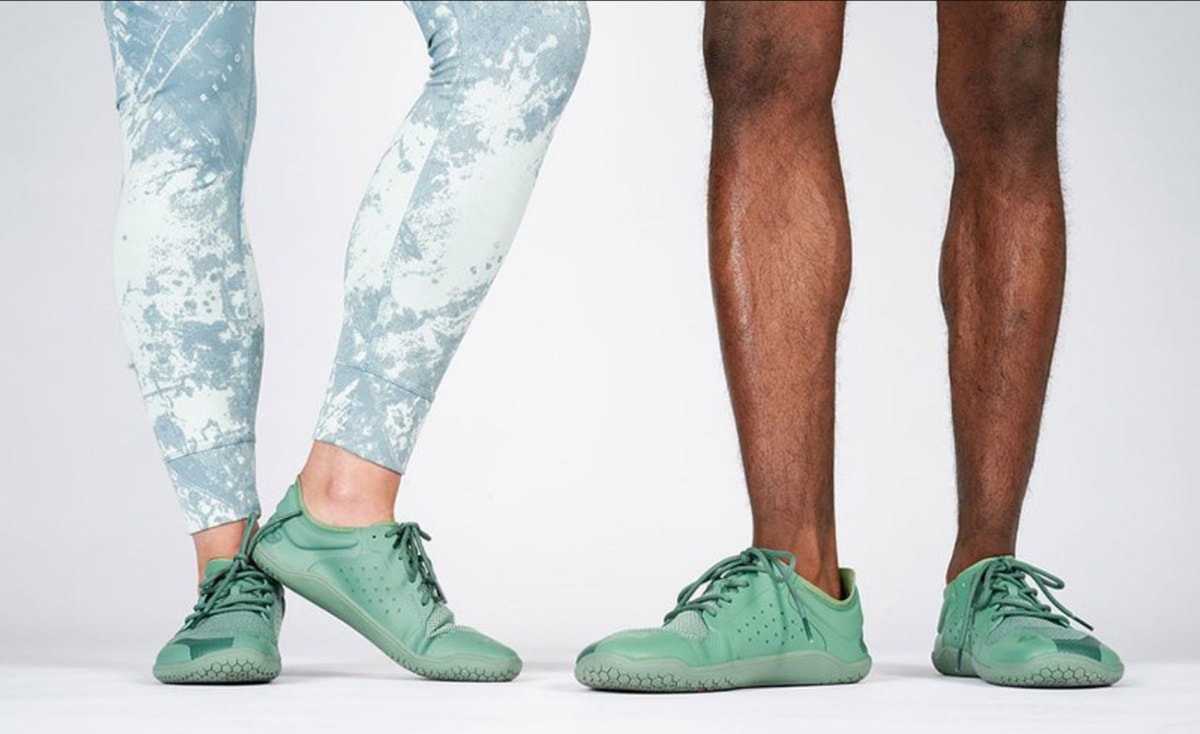


Global barefoot shoe brand Vivobarefoot has launched its most innovative sustainable shoe to date with its plant-based Primus Lite II Bio, the new vegan shoe is designed with more than 30 percent renewable plant-based materials, including Bio TPU made from yellow dent field corn and uses natural rubber and harvested algae called ‘Bloom’ instead of single-use petroleum materials.
Read more...

Awards

M&S receives first-ever award from PETA for vegan retail


British multinational retailer Marks and Spencer has been recognized for its vegan efforts. PETA awarded M&S with its first ever “Vegan-Friendly High Street Retailer” recognition. The retailer's Plant Kitchen range offers over 50 vegan food dishes and M&S also introduced an affordable line of vegan footwear with 350 different styles.
Read more...

What the experts have to say

Starting a new vegan label, product line or even just one product is not easy and those thinking about it should research the market, their target audience and the USP of their product or range well. FashionUnited has spoken with entrepreneurs from six innovative vegan brands that have learned a lot on their journey and are happy to share their experiences.

Brave GentleMan founder Joshua Katcher on building a vegan menswear brand
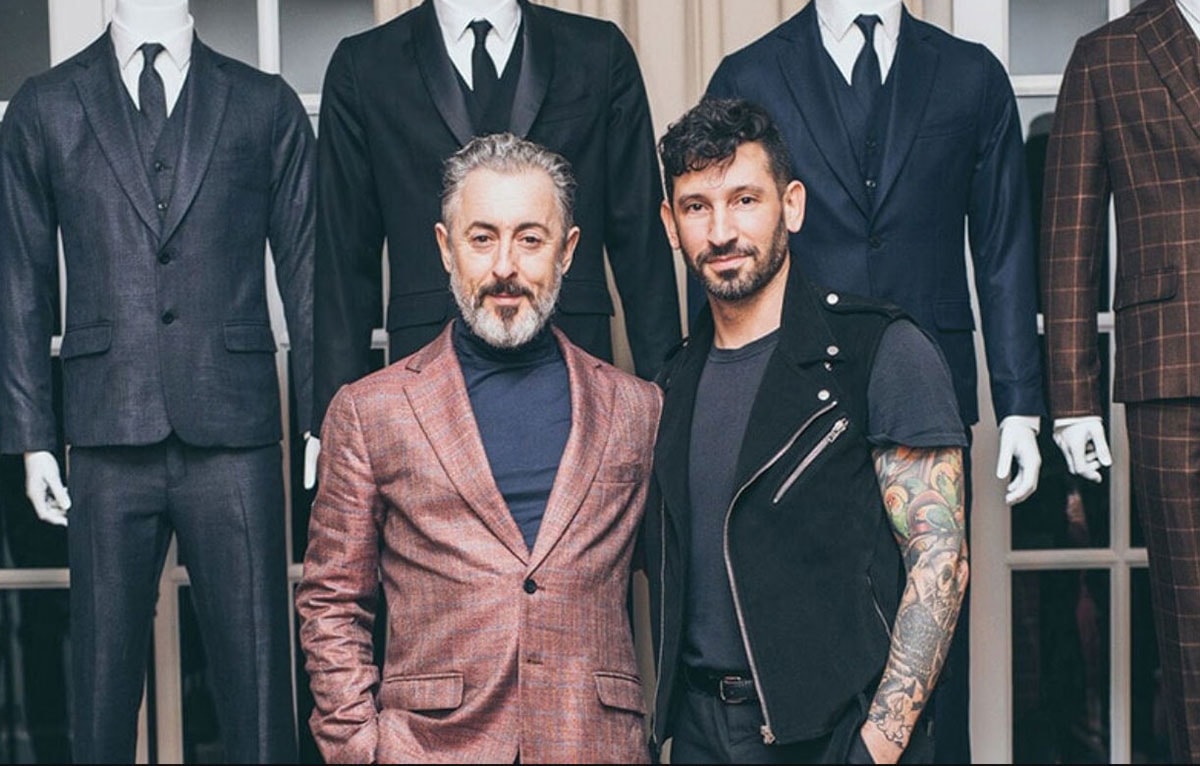


New York based high-end menswear clothing store Brave GentleMan offers a broad range of completely vegan menswear products, from 100 percent Italian-milled bamboo suits with buttons made from tagua nuts, to footwear made from EU Ecolabel-certified Italian PU. Future-wool, future-silk, future-ivory and future-slik are also used throughout the brand’s designs.
Read more...

Vegan fashion: Q&A with British brand Beyond Skin


Brighton-based British footwear brand Beyond Skin has been creating stylish shoes that are ethical and vegan. Beyond Skin is on a mission to make cruelty-free fashion the way of the future. The brand has grown in popularity - both within the vegan community and outside of it - and has been worn by the likes of actress Natalie Portman at the Golden Globes, the Oscars, and in her movie “V for Vendetta”.
Read more...

Vegan fashion: Q&A with mother-daughter brand HFS Collective
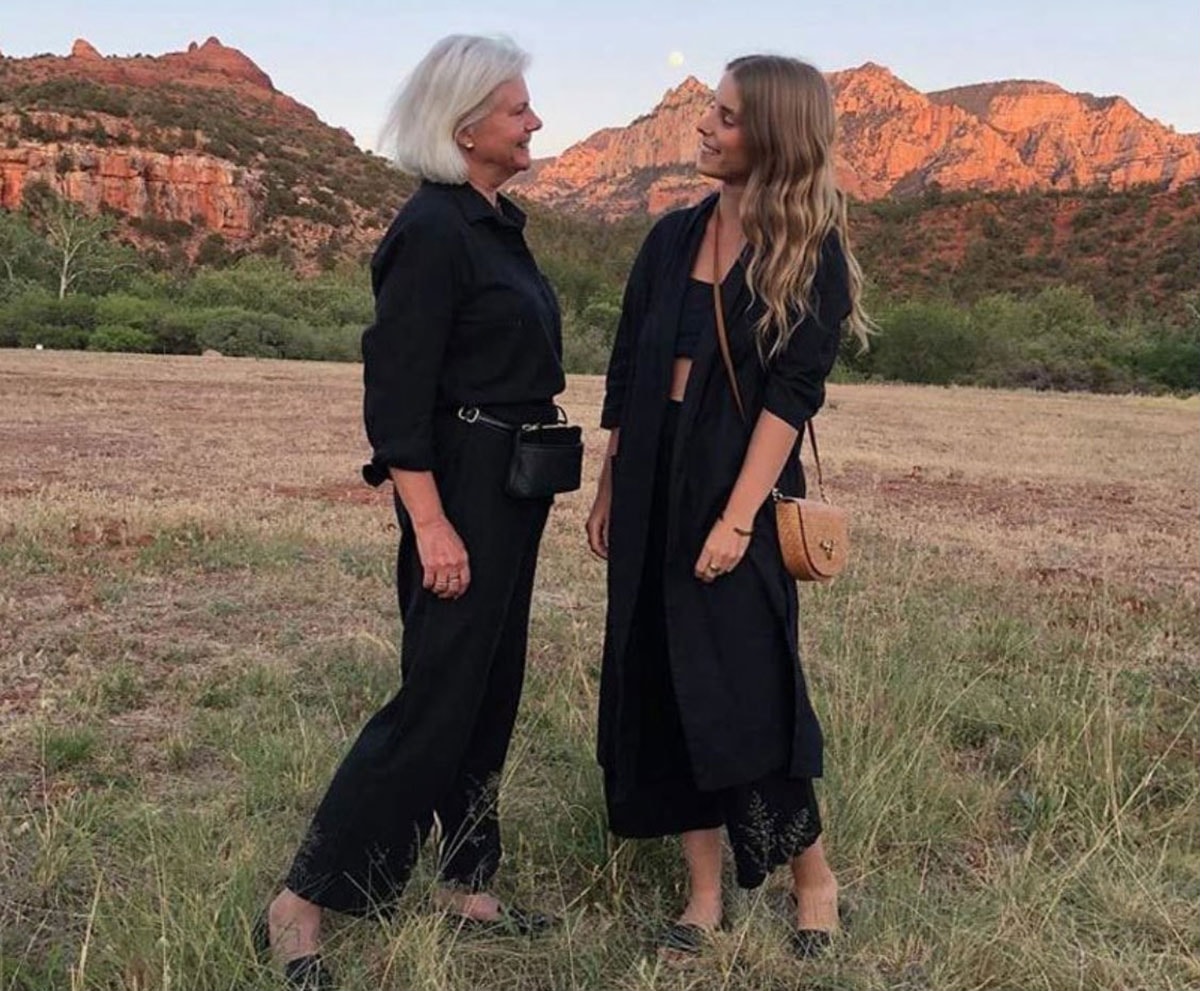


Los Angeles-based brand HFS Collective is an ethical and sustainable-driven brand that produces a selection of wallets and bags using solely vegan methods. Five percent of the brand’s earnings is donated to organisations that help empower women, protect animals and preserve the environment.
Read more...

The rise of vegan fashion: Q&A with Delicious California


Headquartered in Folkestone’s Old High Street, UK, Delicious California is a 100 percent vegan independent brand which proudly describes itself as ‘ethical, original and fun’. Delicious California focuses on the environmental impact of the manufacturing process and uses water-based inks, and the cleaning products used in the screen printing process are environmentally friendly.
Read more...

Vegan fashion: Brazilian brand Insecta Shoes wants to take over EU and North America
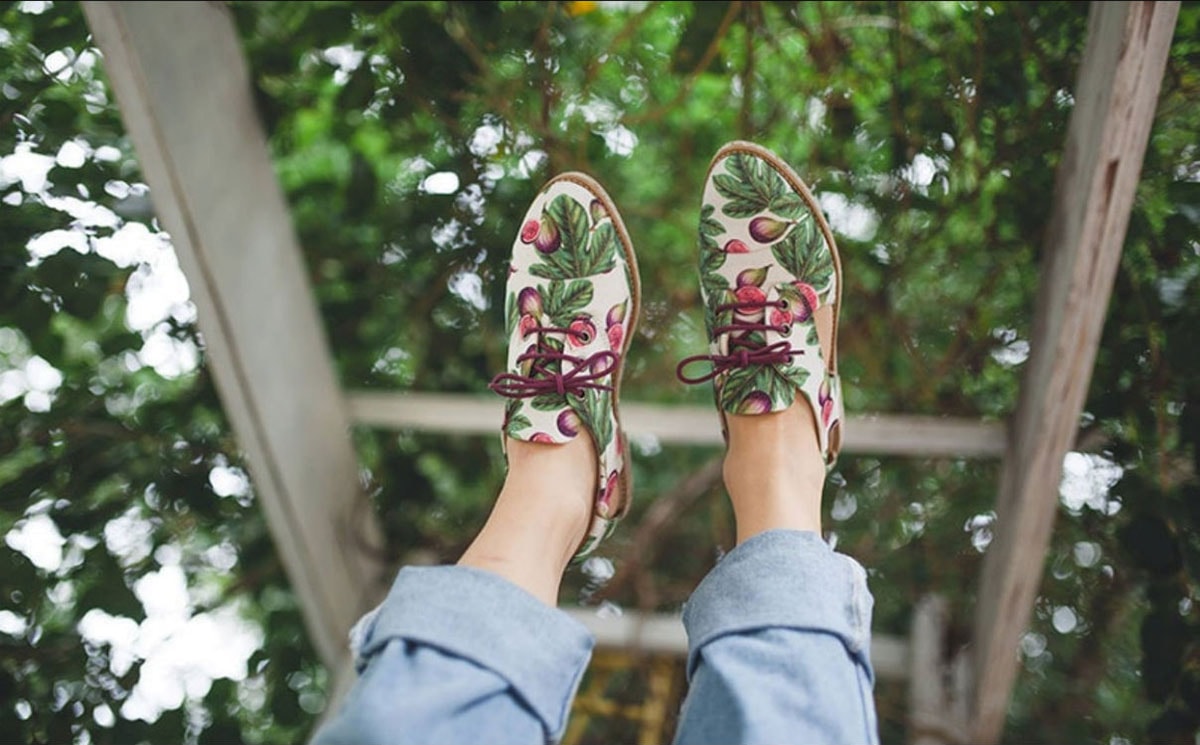


Brazillian brand Insecta Shoes, affectionately nicknamed “beetles,” are a rising vegan footwear label. The fabrics used are always upcycled, the sole is made from recycled rubber, the insole is made with surplus fabric from their own production and the sewing thread is made of recycled PET bottles. Insecta has a reversed logistics solution: When customers no longer want to wear the shoes, they can return them to the store to be recycled, avoiding generating more waste in the world.
Read more...

Interview: Veja on its new biodegradable sneakers made from corn waste


French sneaker brand Veja has taken the industry by storm, with a simple but very smart concept: minimalist sneakers that make the world a little better through their ethical and sustainable design. In addition to organic cotton, recycled plastic and rubber from traditional sources, a new material is now being used: a leather substitute made from corn starch waste, a non-edible part of the plant.
Read more...
Though the vegan lifestyle may not have (yet) become the new mainstream, it is certainly here to stay and brands and retailers are well advised to heed this trend. They should also do their research well as not everything sold as vegan is also environmentally friendly, thus not benefitting people or animals in the long run. What is sold as “vegan leather”, for example, is often nothing but polyester or polyurethane. But as we have seen, there are many trailblazers now that show how it is done.
Photos: courtesy of HFS Collective, Gunas, Edited, Vivobarefoot, Brave GentleMan, HFS Collective, Insecta


* This article was originally published here

Thursday, August 29, 2019

Can the fast fashion business model embrace sustainability?

Can the fast fashion business model embrace sustainability?
We all know the trademarks of the fast fashion industry, the negative impact it leaves on the environment, the throwaway culture it breeds to satisfy the need for the new, and the waste is causes when unsold clothes end up in landfill. But by-product aside, the fast fashion business model may in fact have the answer that can circumvent disposability and produce clothes in a more sustainable way, if not ethical, way.
A recent article in Forbes argues that the fast fashion process relies on identifying consumer demand with a quick turnaround to get clothes into stores. Data analytics can help ensure that demand is met with producing correct volumes without so much overstock. It is precisely the overproduction of clothes that leads to the destruction of unsold clothes, and what has proven difficult to accurately quantify. But with global production exceeding 100 billion garments a year, the impact on the environment will be catastrophic if companies keep growing.

Overproduction can be managed

An example is American brand Reformation, who’s founder Yael Aflalo recently told the Sunday Times the brand sees itself as a fast-fashion company, having adopted a trend-led model with new drops twice a week yet by only ever releasing small quantities. By doing so it has avoid producing excess stock as it always sells out. “Most companies produce too much,” Aflalo said. “They sell a certain percentage of it at full price and then put the rest on sale. We don’t do that. We sell almost everything at full price. We only markdown about 10 percent of our stock.”
According to Forbes, this means that pricing can be fairer, given that they don’t need to factor in that most people will buy at a discount.

High volume production versus cost per garment

The question remains, however, if factories can produce smaller volumes at affordable prices. The pricing tier is such that the greater the quantity per style, the better the price per garment. The tragedy of fast fashion manufacturing is the fact it is cheaper to overproduce with a lesser cost per garment. Cheap, volume driven production, is a fast fashion process that must still be addressed.
Image courtesy of Fashion Revolution
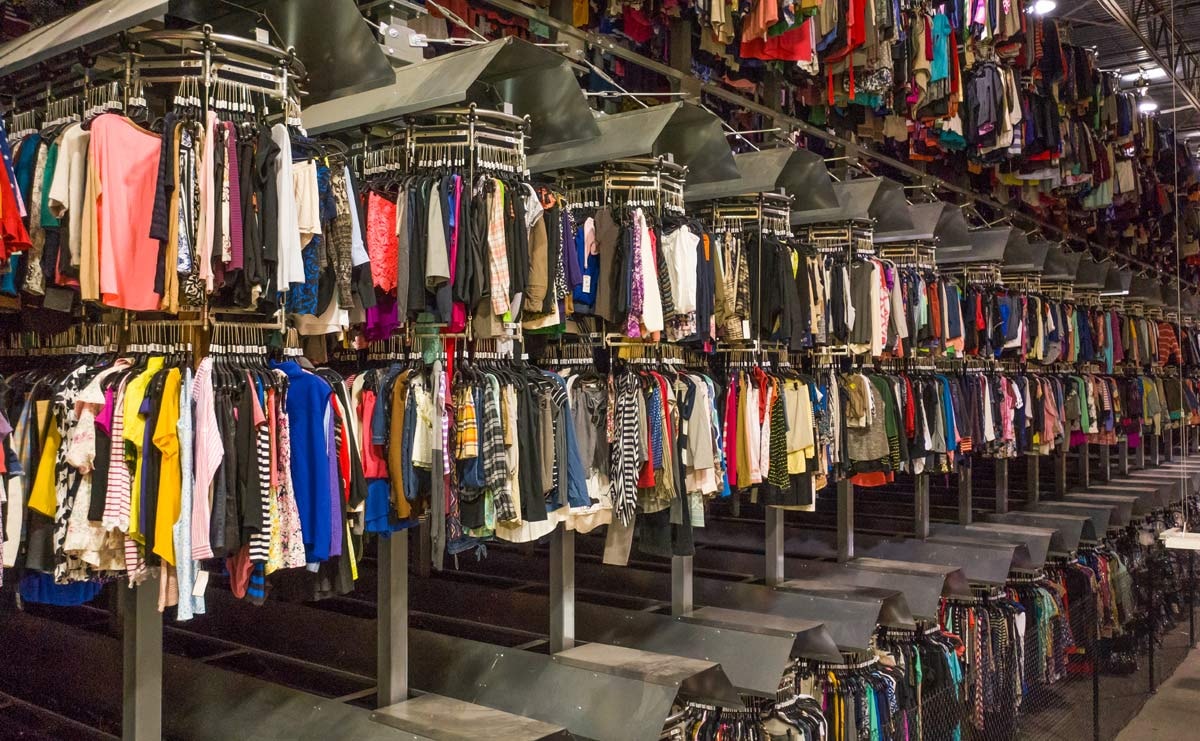
Photo courtesy of ThredUp


* This article was originally published here
Wednesday, August 28, 2019

Hudson’s Bay to sell Lord + Taylor for 100 million dollars


Canadian retailer Hudson's Bay Company (HBC) has announced it is selling luxury department store chain Lord + Taylor to fashion rental subscription service Le Tote in a 100 million dollar deal.
The deal will see Le Tote acquire the Lord + Taylor brand and related intellectual property while assuming operations of its 38 stores, digital channels and associated inventory.
HBC will receive 99.5 million Canadian dollars (75 million US dollars) in cash when the transaction closes and a further 33.2 million Canadian dollars (25 million US dollars) payable in cash after two years. It will additionally receive an equity stake in Le Tote, two seats on the company’s board of directors and certain rights as a minority shareholder.
Le Tote expects to extend employment offers to the “vast majority” of Lord + Taylor’s associates.

Le Tote buys Lord + Taylor for 100 million dollars

Commenting on the acquisition in a statement, CEO of HBC, Helena Foulkes, said: “We’re excited to have reached an agreement with Le Tote that creates a new model for Lord + Taylor, bringing together fashion rental subscriptions with traditional retail.
“Following an extensive review of strategic alternatives, Le Tote’s leadership and innovative approach is the best path forward for Lord + Taylor, its loyal customers and dedicated associates. For HBC, this transaction builds upon our previous bold actions, further enabling us to focus on our greatest opportunities, Saks Fifth Avenue and Hudson’s Bay.”
Le Tote CEO and founder Rakesh Tondon, added: “Since founding Le Tote, it’s been our mission to push the boundaries of retail. We’ve strived to lead the charge in developing innovative, intuitive, value-driven ways for customers to engage and consume. We’re excited to bring Le Tote together with Lord + Taylor, a storied brand that has stood for quality, style and service for nearly two centuries. With this acquisition, we continue our journey in creating the future of retail.”
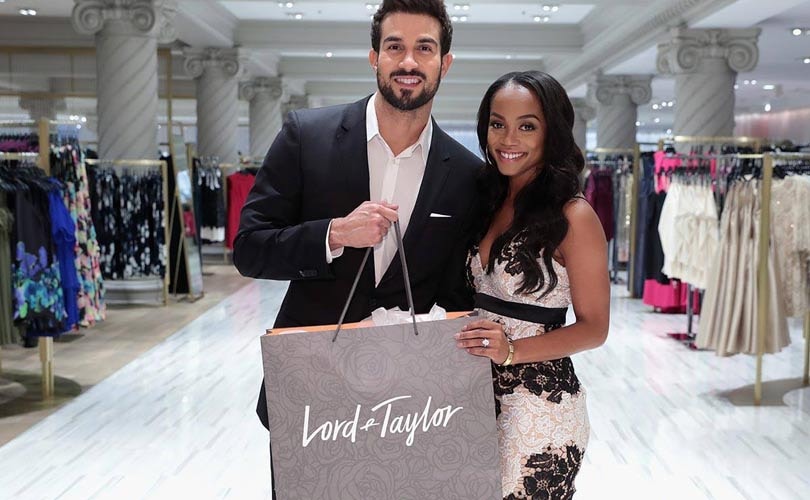
Photo credit: Lord + Taylor, Facebook


* This article was originally published here
Tuesday, August 27, 2019

Mytheresa reports surge in sales for fiscal 2019


Mytheresa has reported consolidated net revenues of 377 million euros (341 million pounds) for the fiscal year ending June 2019, up from 303 million euros (274 million pounds) the previous year.
The figure includes the company’s online business and physical store in Munich.
The German luxury platform’s online business grew by 24.7 percent over the past 12 months, while EBITDA was up 50 percent.
Commenting on the results in a statement, Mytheresa CEO Michael Kliger said: “Fiscal Year 2019 was another highly successful year for us. Growing by almost 25 percent while improving profitability significantly shows that we not only have the right strategy but are also executing very well on it. Our vision is to make Mytheresa the best luxury customer experience platform globally. Customer centricity is at the heart of our daily operations and ambitions.”
Launched in 2006, Mytheresa's online platform offers more than 200 luxury brands including Gucci, Balenciaga, Saint Laurent, Prada and Valentino. In 2014, the company was acquired by multibrand fashion retailer Neiman Marcus Group.
Mytheresa is set to launch a menswear category in January 2020.
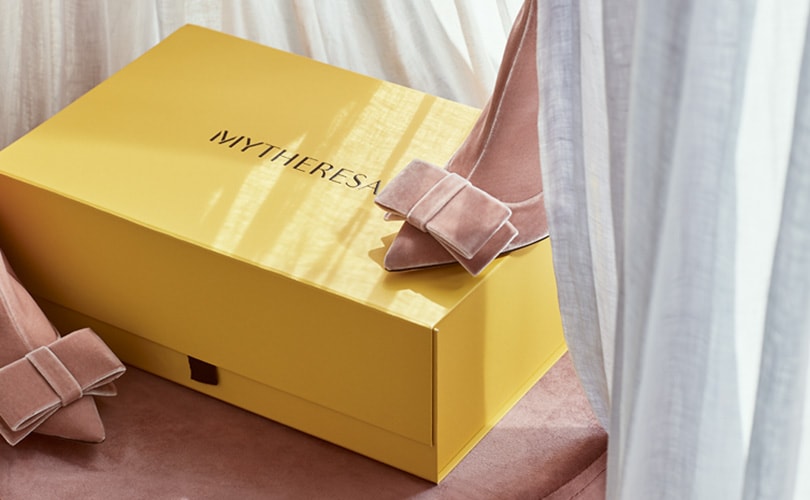
Photo credit: Mytheresa, Facebook


* This article was originally published here
Monday, August 26, 2019

Anne Summers wins rent deals on 95 of 100 stores, CVA remains an option


Anne Summers has won rent reductions for 95 of its 100 stores, but a Company Voluntary Agreement (CVA) may be necessary for the remaining five.
Writing in a column for Retail Week, Anne Summers CEO Jacqueline Gold said: “There has been a fundamental shift in the retail property market” which have forced her, like other retailers, to seek lower rent agreements.
She said she was “really heartened by most of the conversations we’ve had with our landlords. The vast majority of them live in the real world and understand that circumstances have changed,” but that certain landlords continued to “bury their heads in the sand and pretend historic rental levels are sustainable in future”.
In May, The Guardian reported that Anne Summers had hired property advisers to discuss options for cutting rents after making a 3.3 million pound loss last year.
Gold said: “We would be mad not to consider all options, including a CVA of that 5 percent of stores, because we cannot allow the future success of our business to be jeopardised by the handful of landlords who won’t come to the table.”
Anne Summers Official, Facebook


* This article was originally published here
Sunday, August 25, 2019

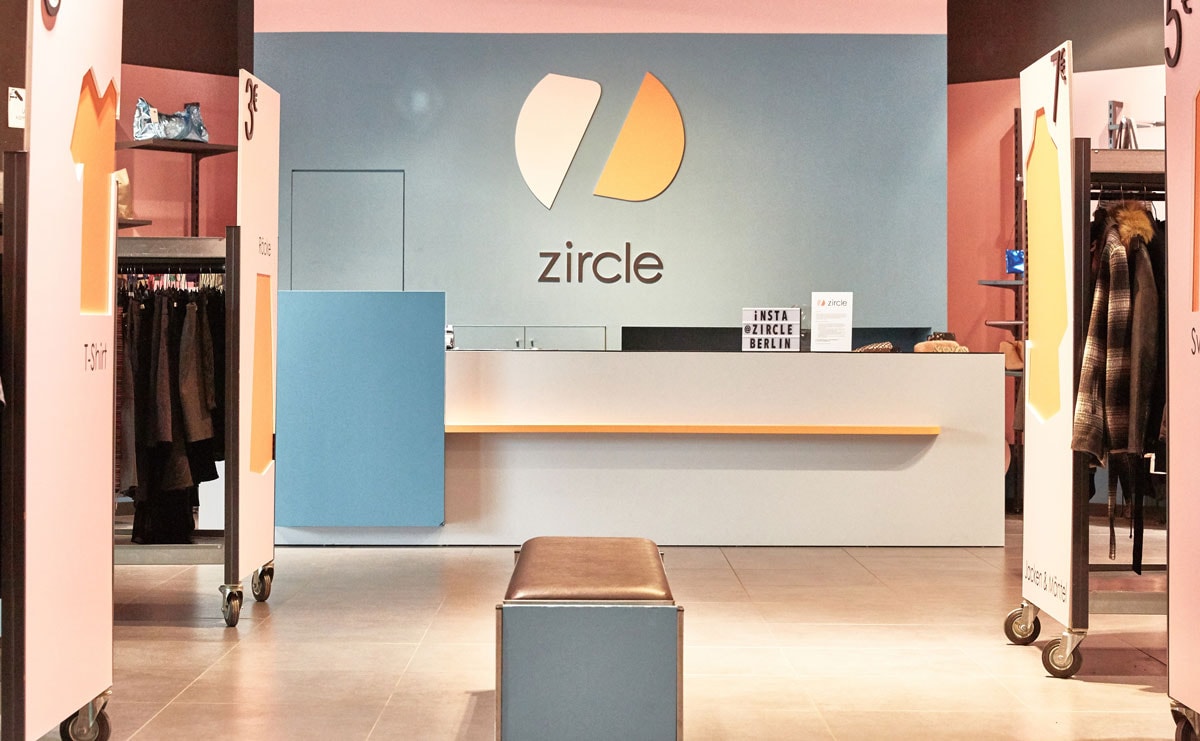
Zircle: Zalando tests resale with second-hand clothing pop-up


Zalando has become the latest fashion company to dip its toes into the resale market as it pilots ‘Zircle’, a pop-up store in Berlin's Alexa shopping mall that sells second-hand clothing.
Zircle (the name combines the words Zalando and Circular) sells used fashion items that were purchased from customers of Zalando Wardrobe.
A spokesperson for Zalando said: “The goal of this experiment is to learn how offline selling of second hand fashion works for Zalando and find out if we can reach new customers. With these learnings we can then evaluate what works best for our customers and improve their shopping and selling experience.
“Our core expertise is and will continue to be online business, but in certain business areas we believe in the relevance of offline activities and see the future of fashion commerce as an intelligent network that combines the best of both worlds (offline shops and online shops).”
Launched in 2018, Zalando Wardrobe is a digital wardrobe app for fashion items that allows customers to sell their used Zalando clothing back to the company for store vouchers. The app is currently only available in Germany.
Last week, major US department stores Macy’s and JCPenney both announced they had entered into partnerships with the San Francisco-based resale company ThredUp. Earlier this week, the second-hand fashion company revealed it had received 175 million dollars in funding that it will use to “fuel a new wave of growth and platform expansion.”
Photo courtesy of Zalando Zircle


* This article was originally published here